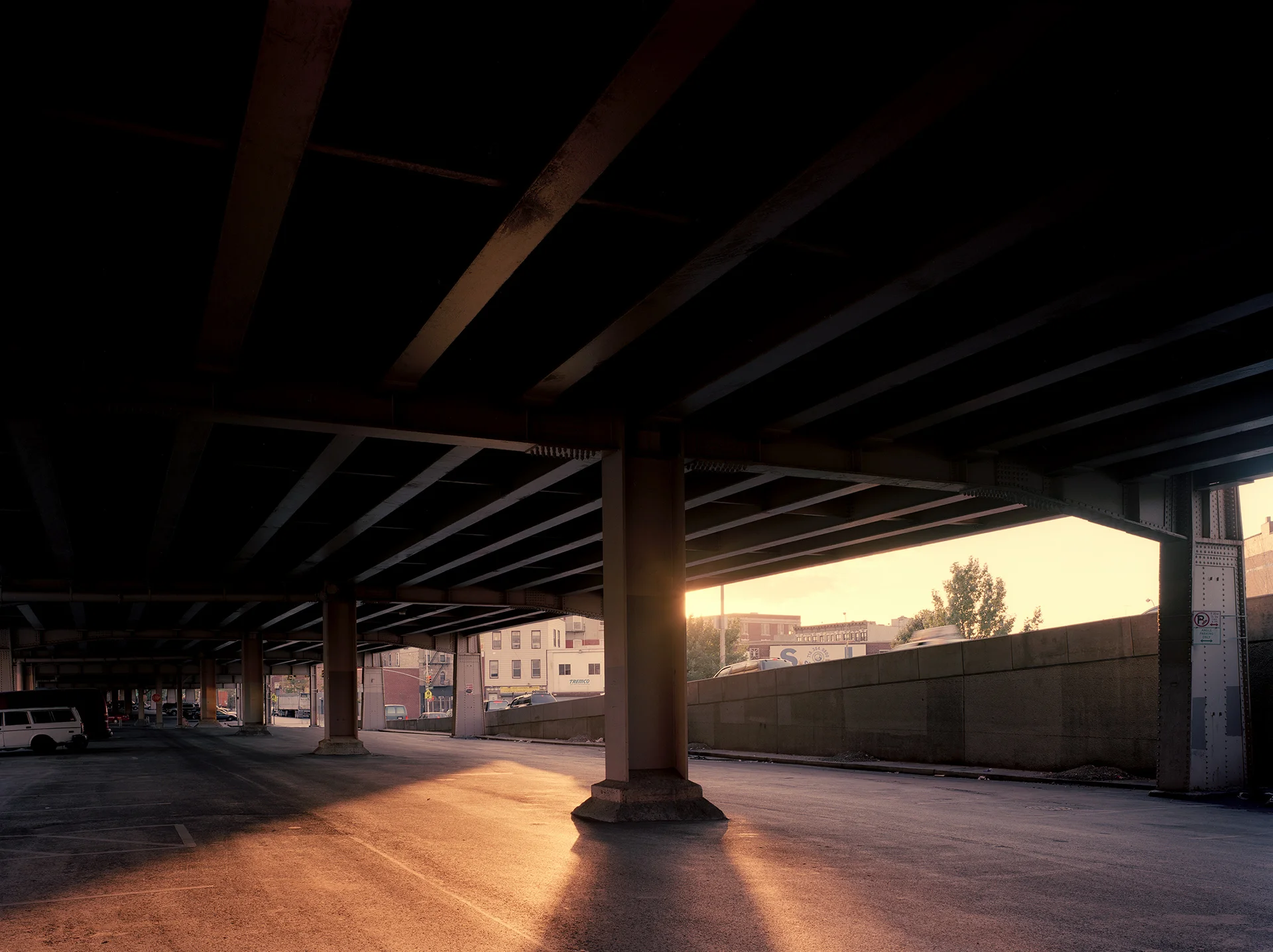
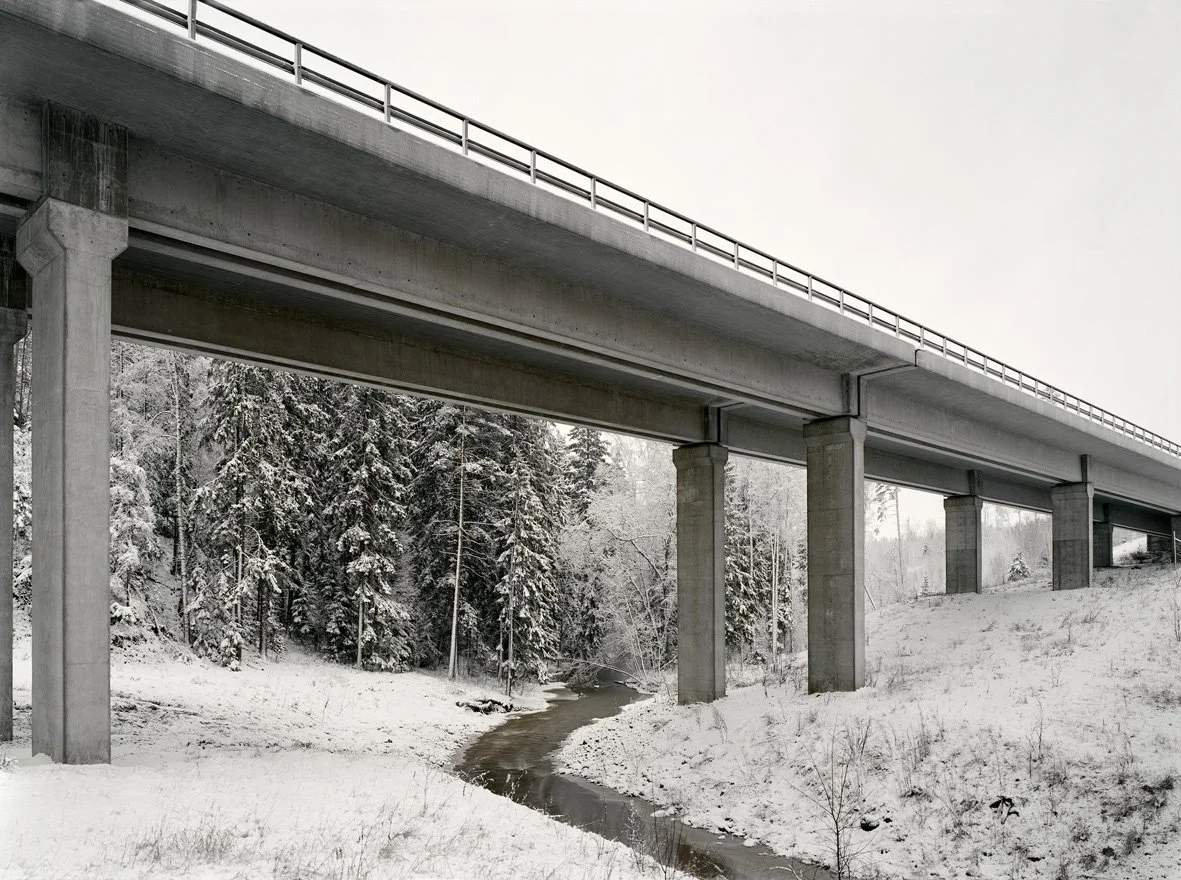
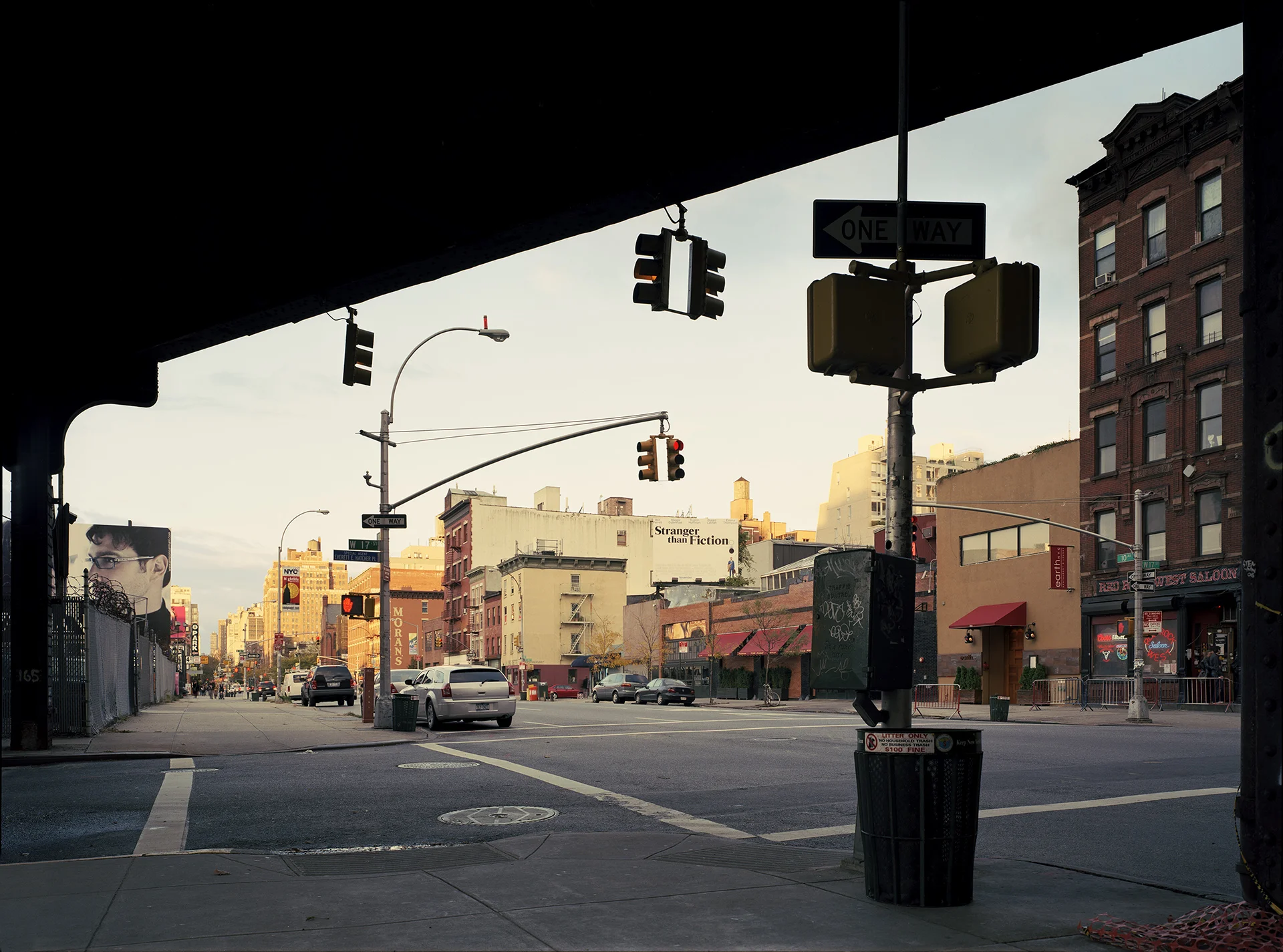
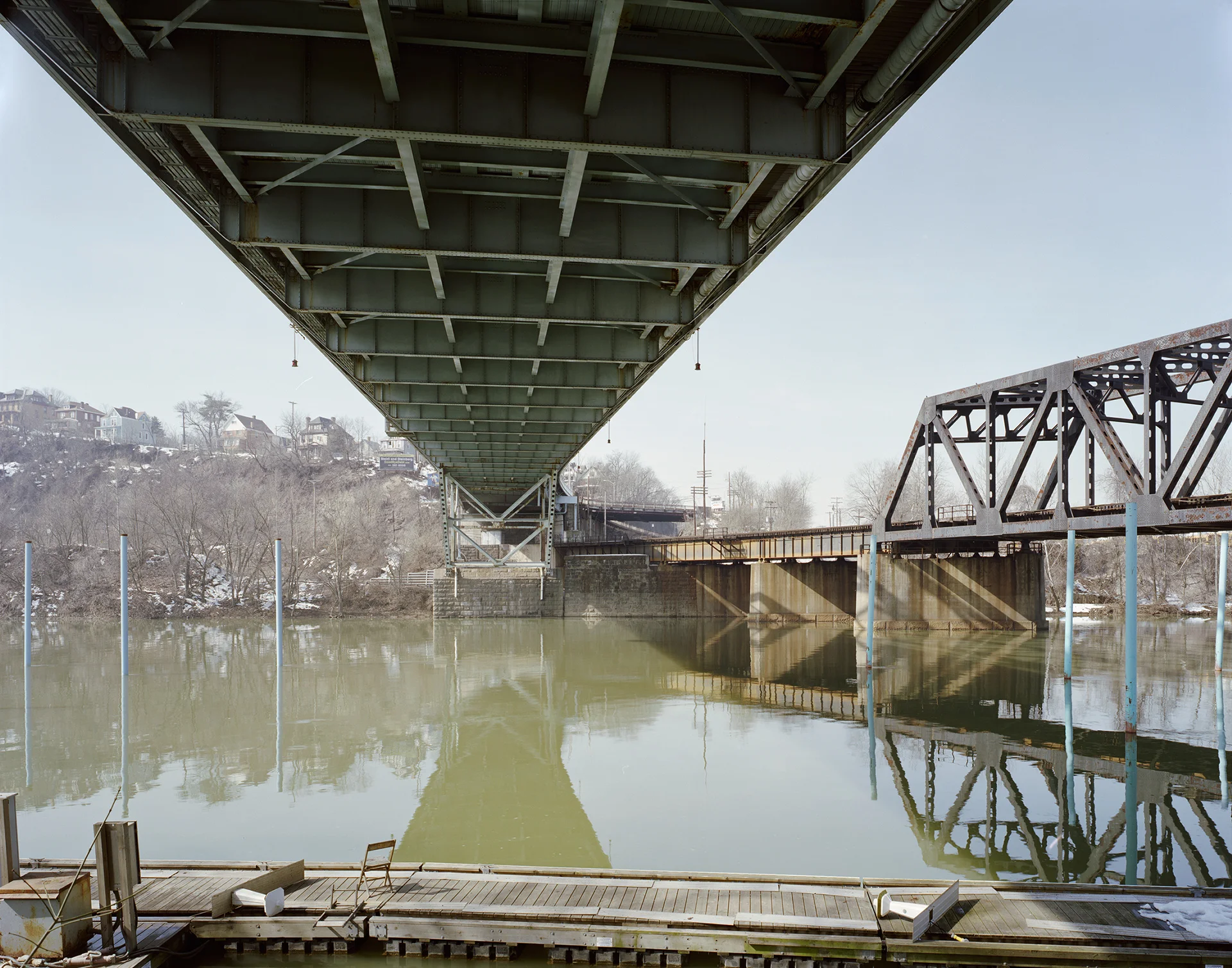
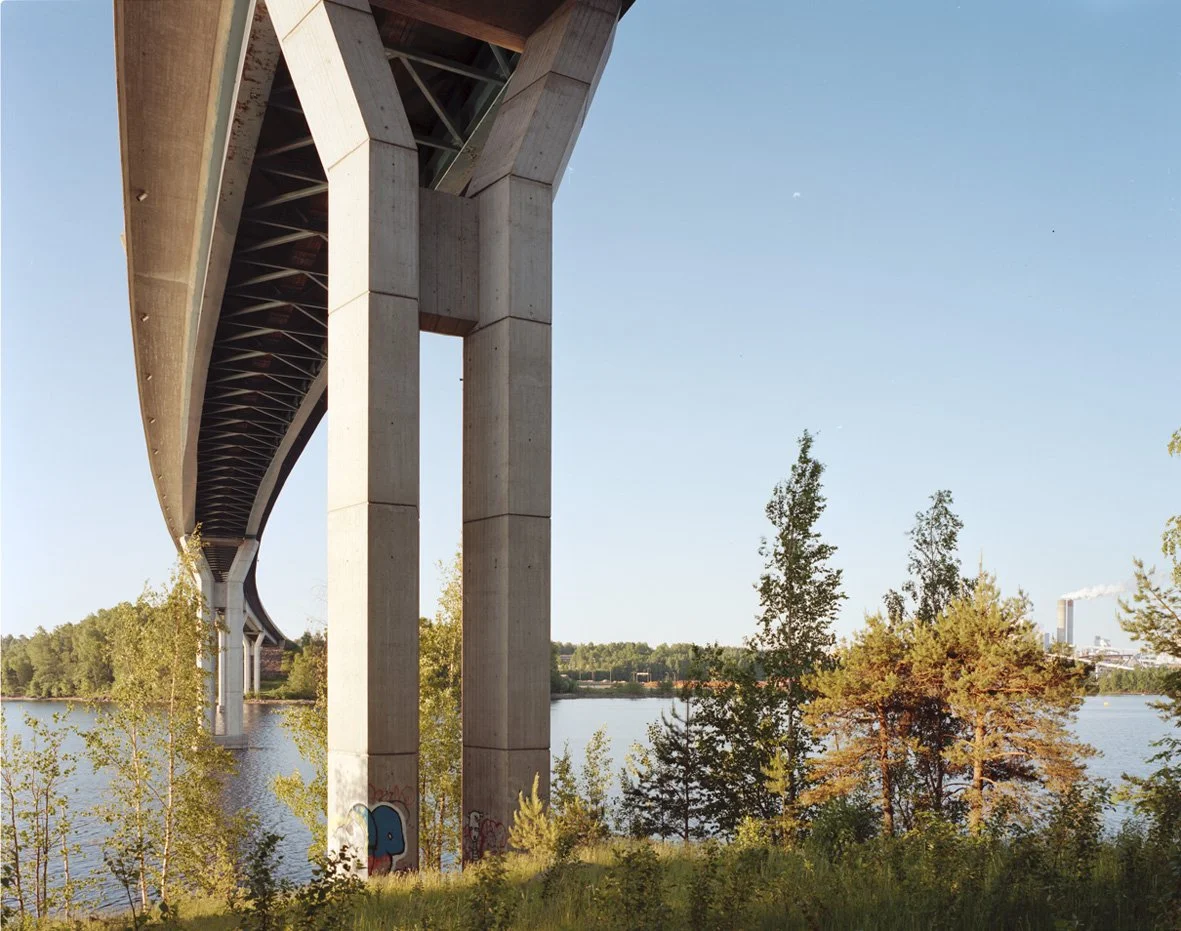
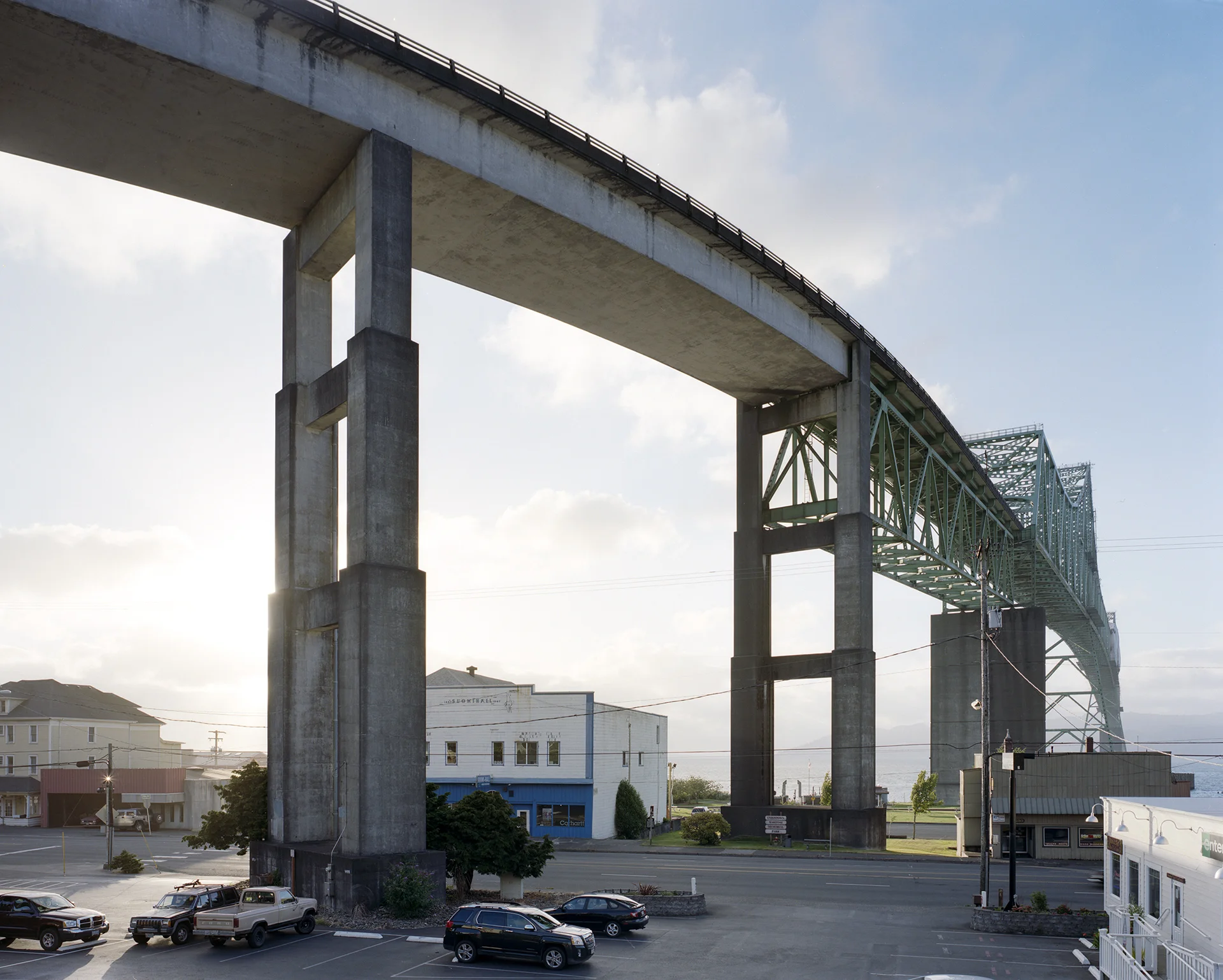
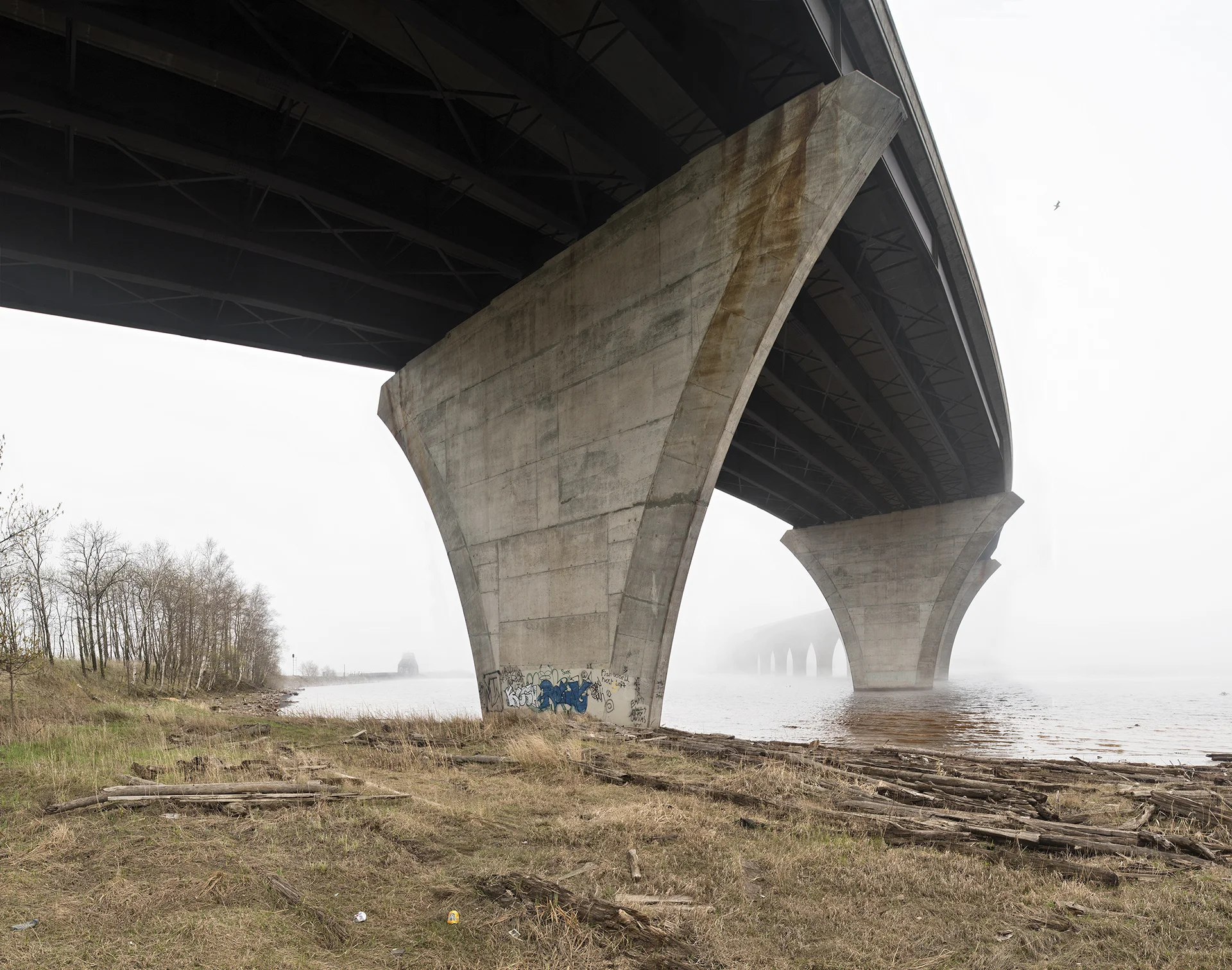
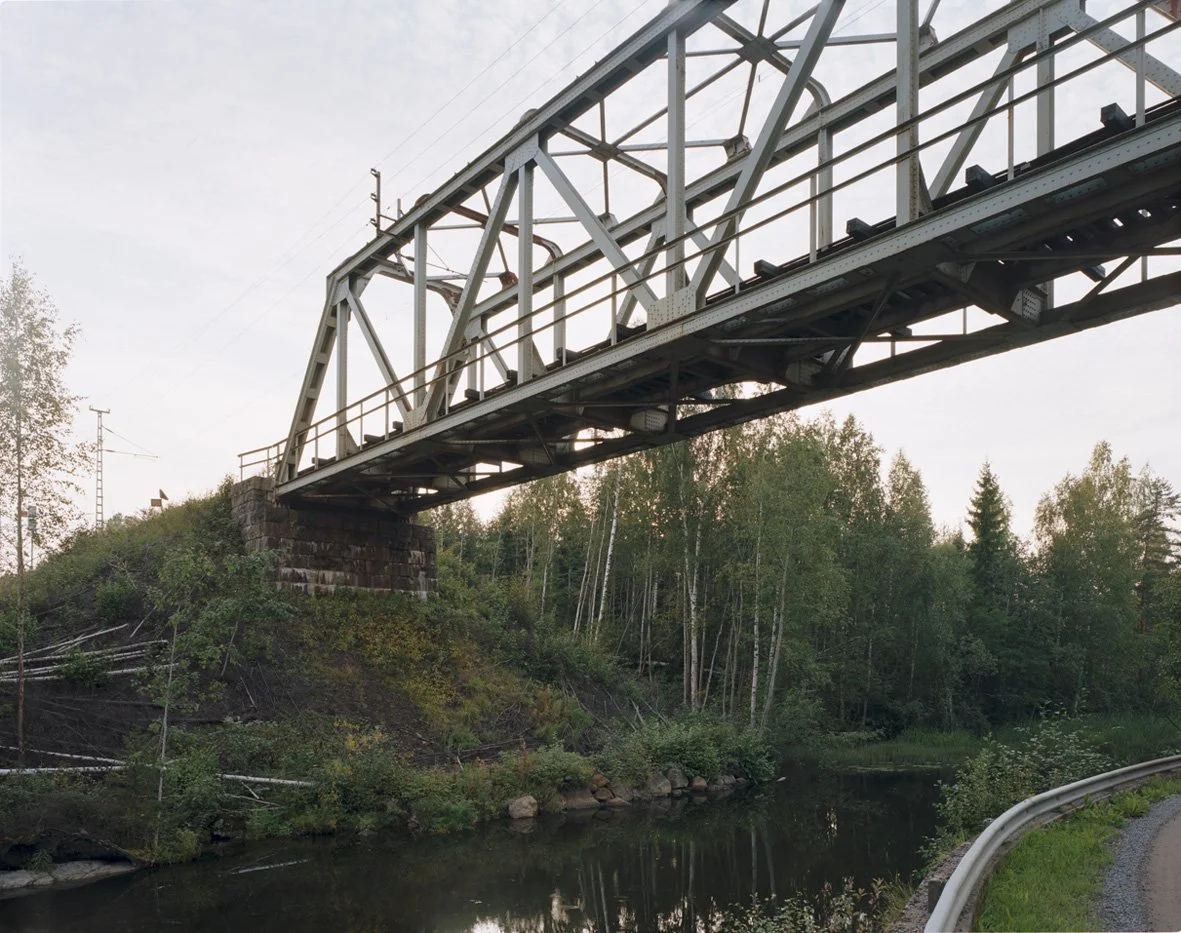
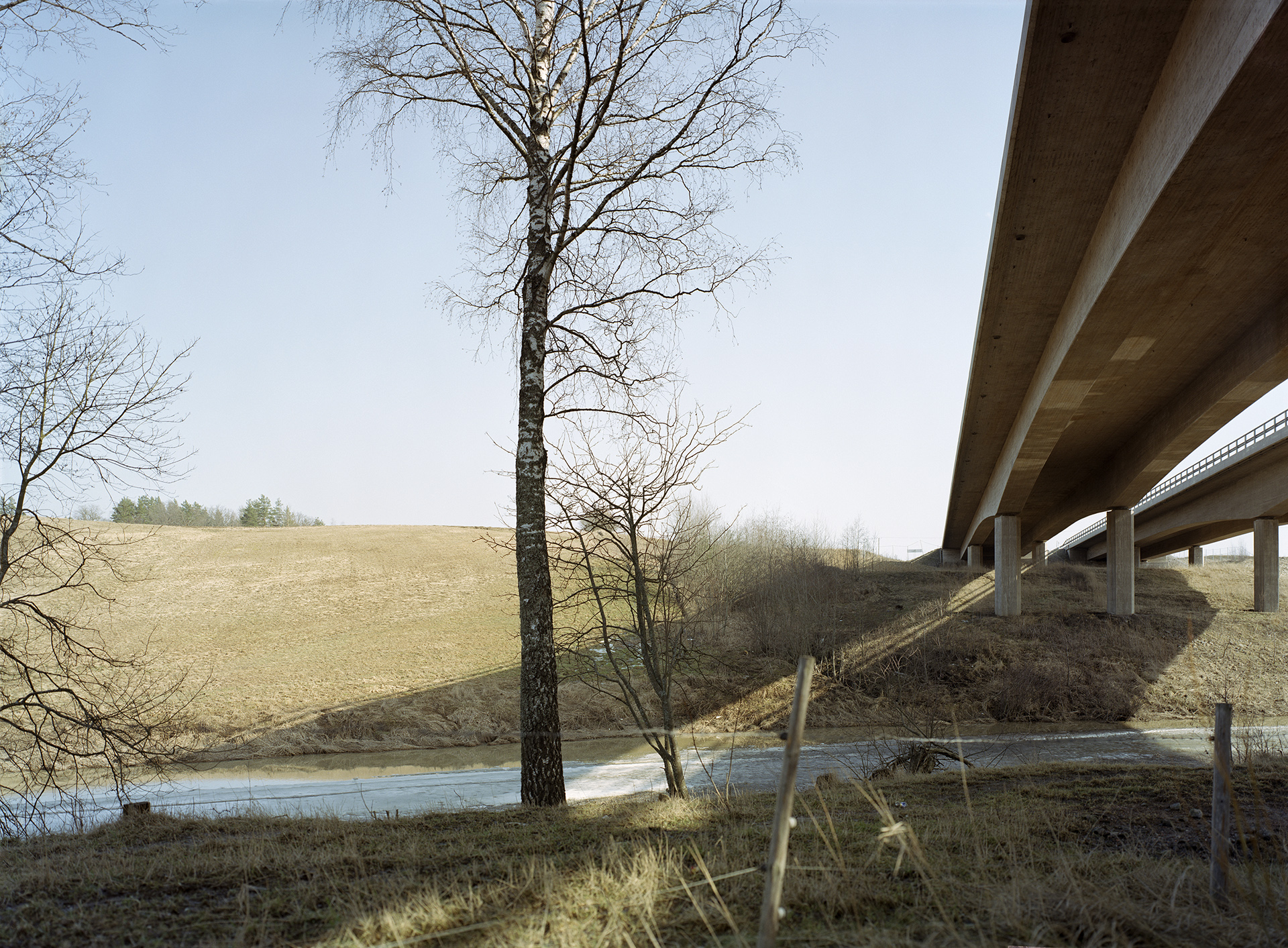
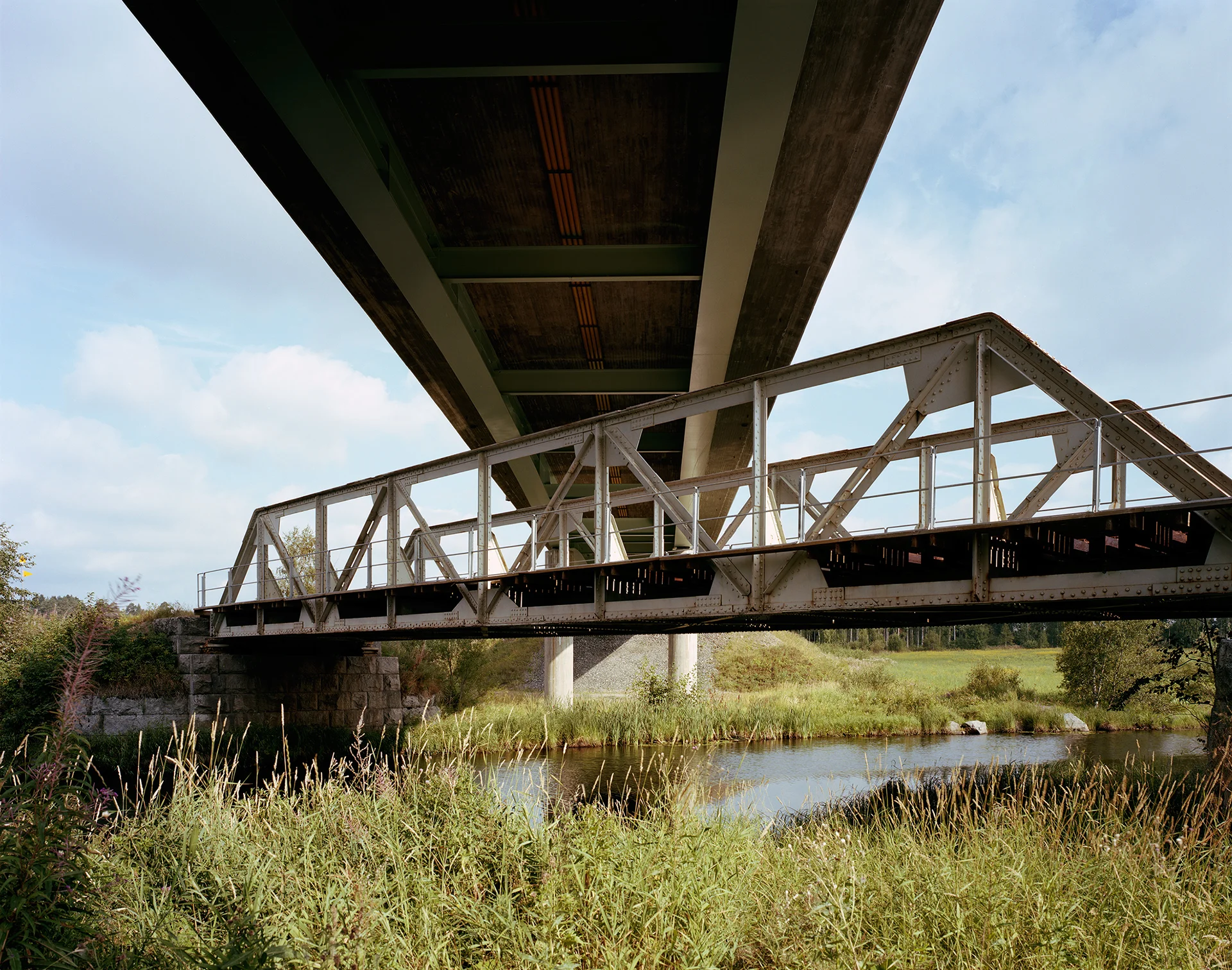
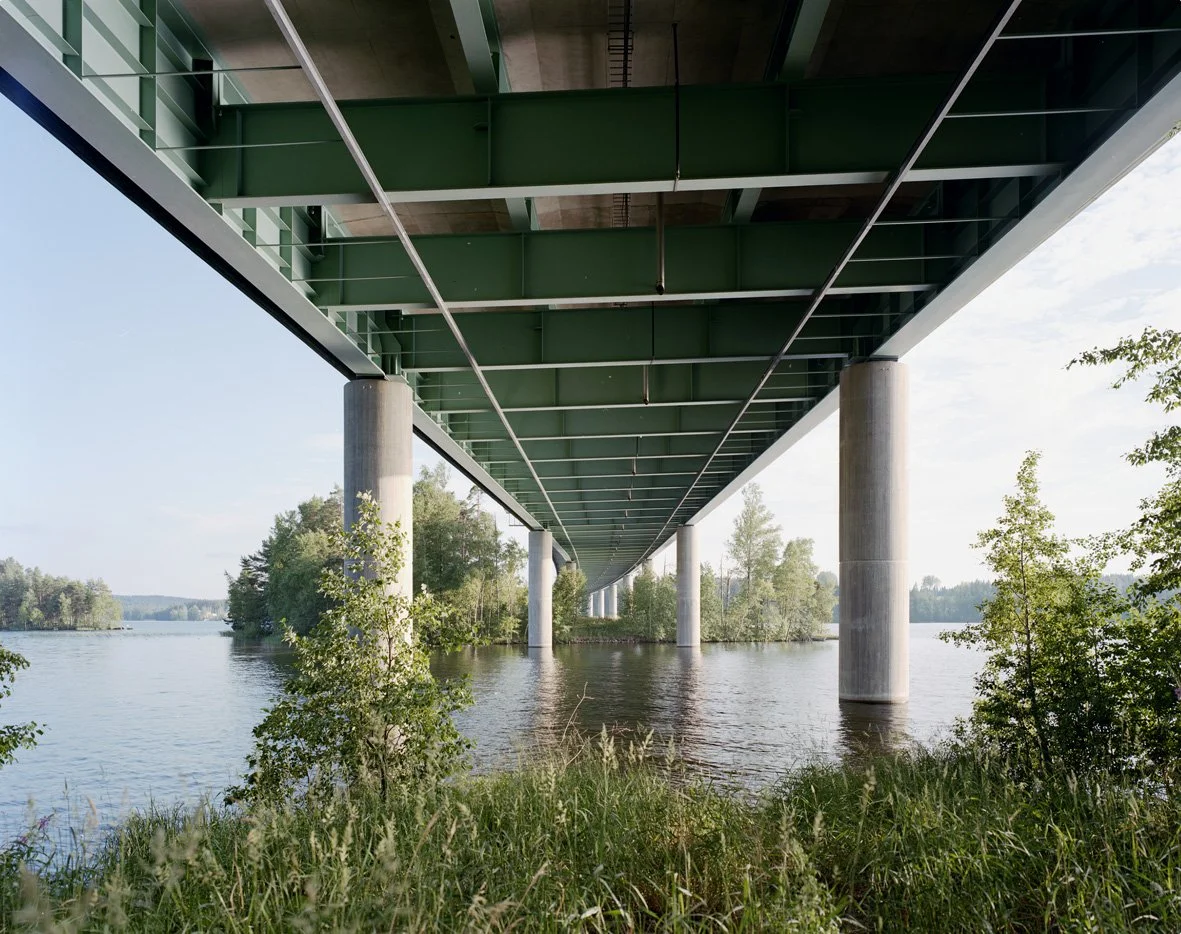
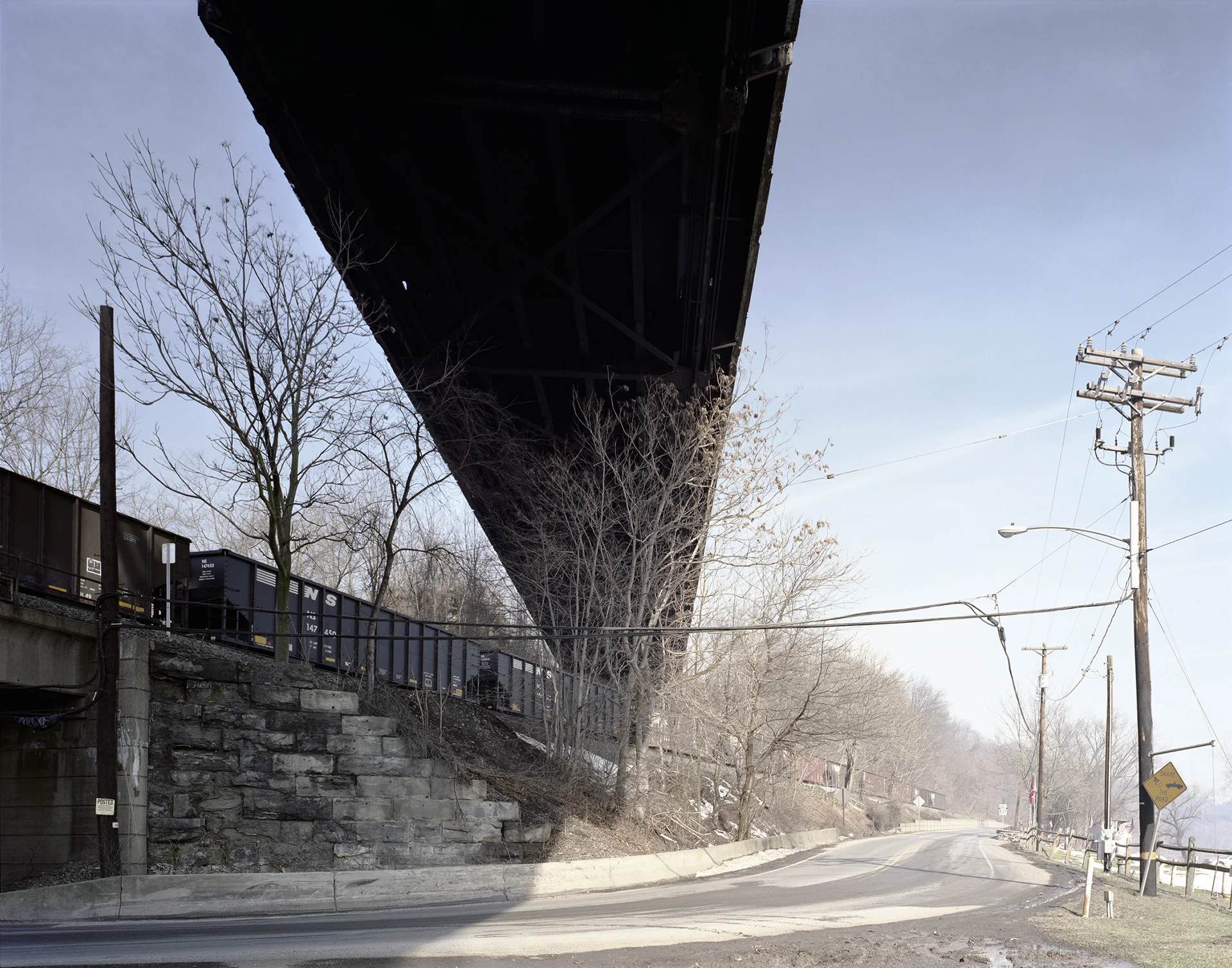
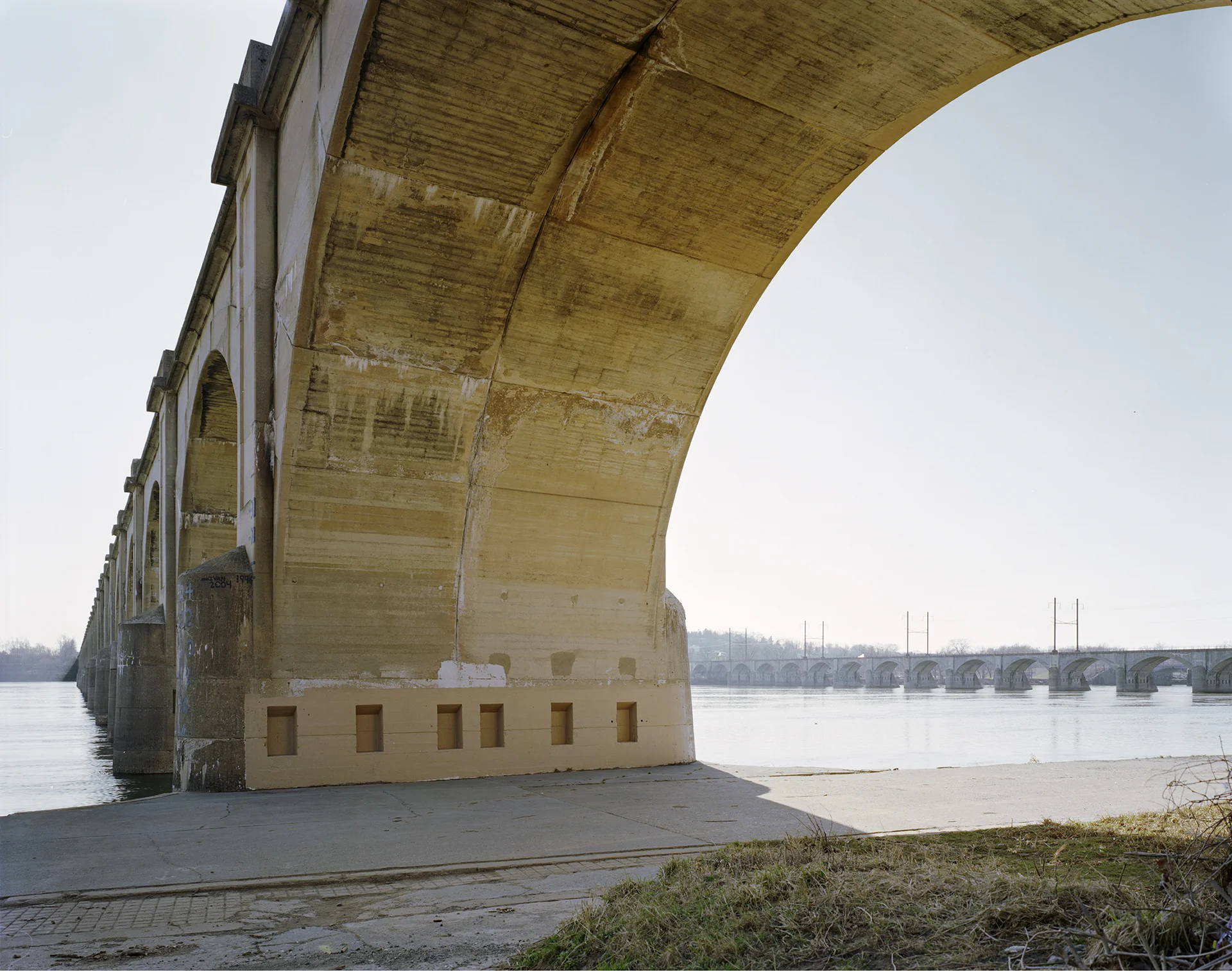
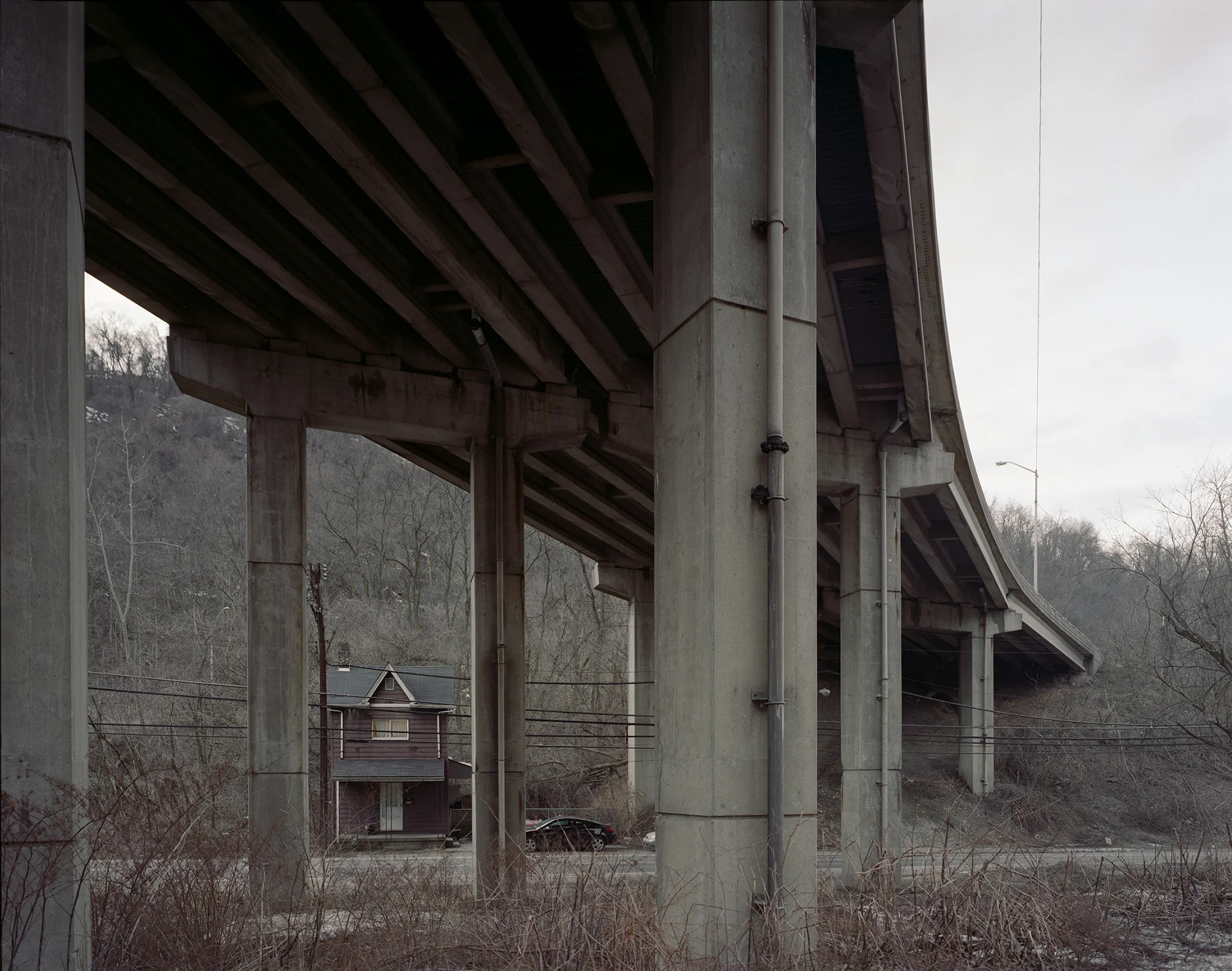
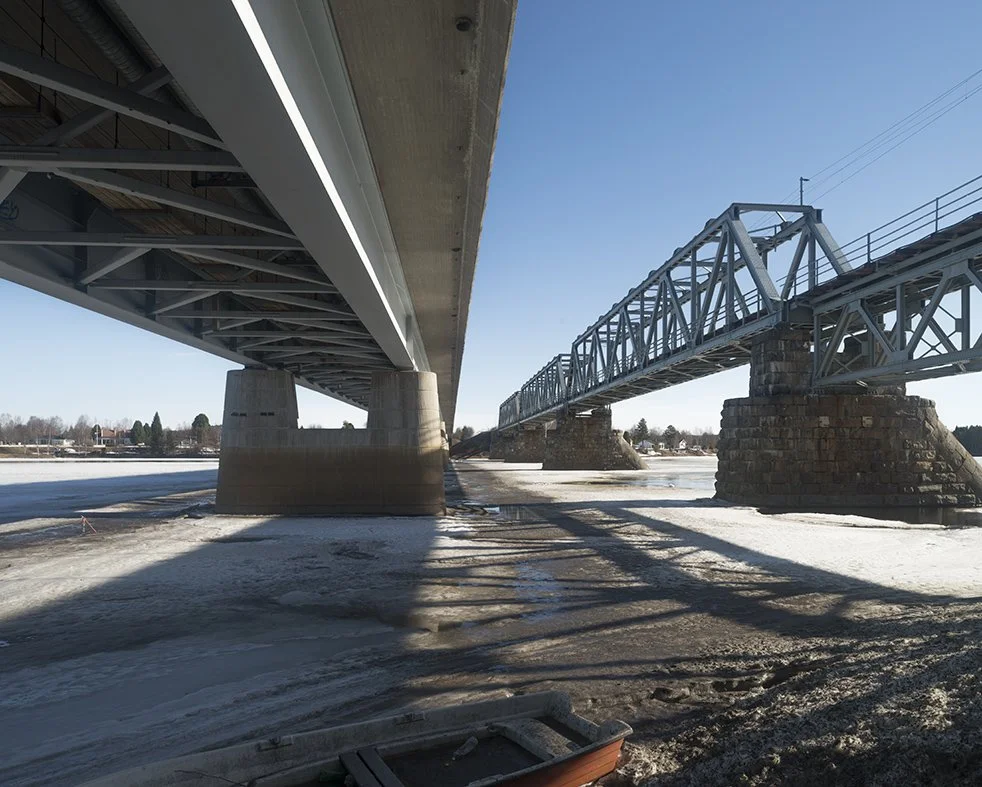
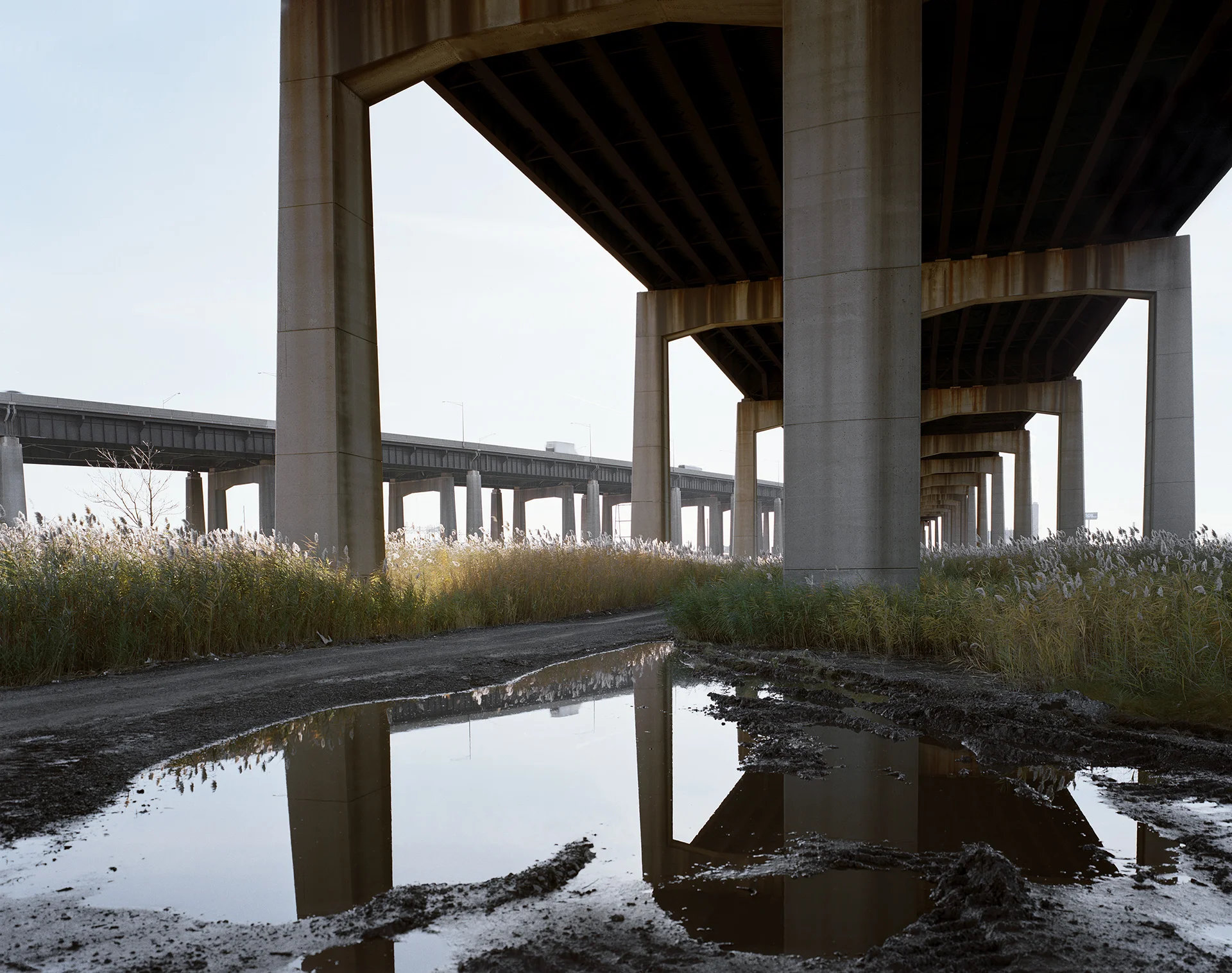
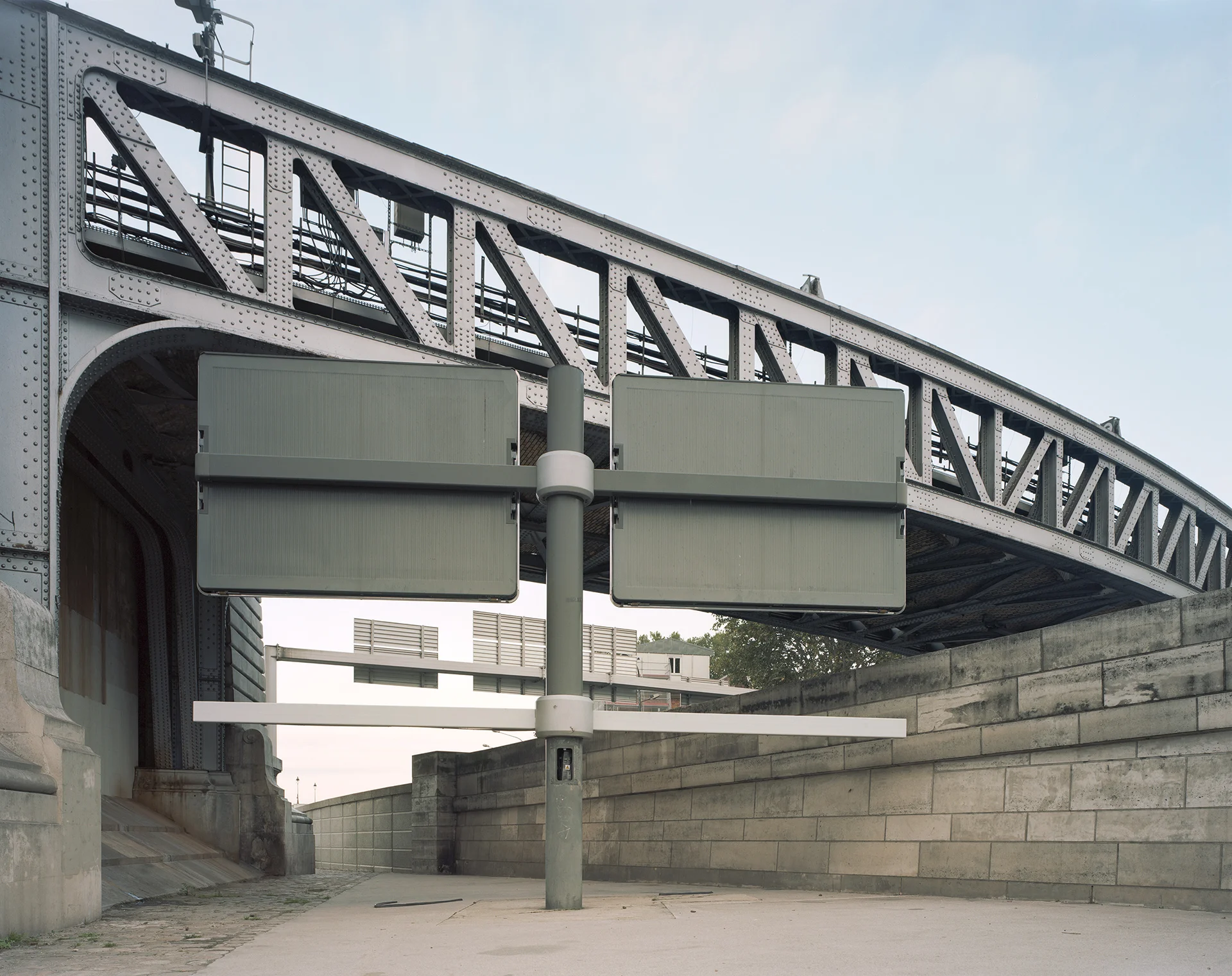
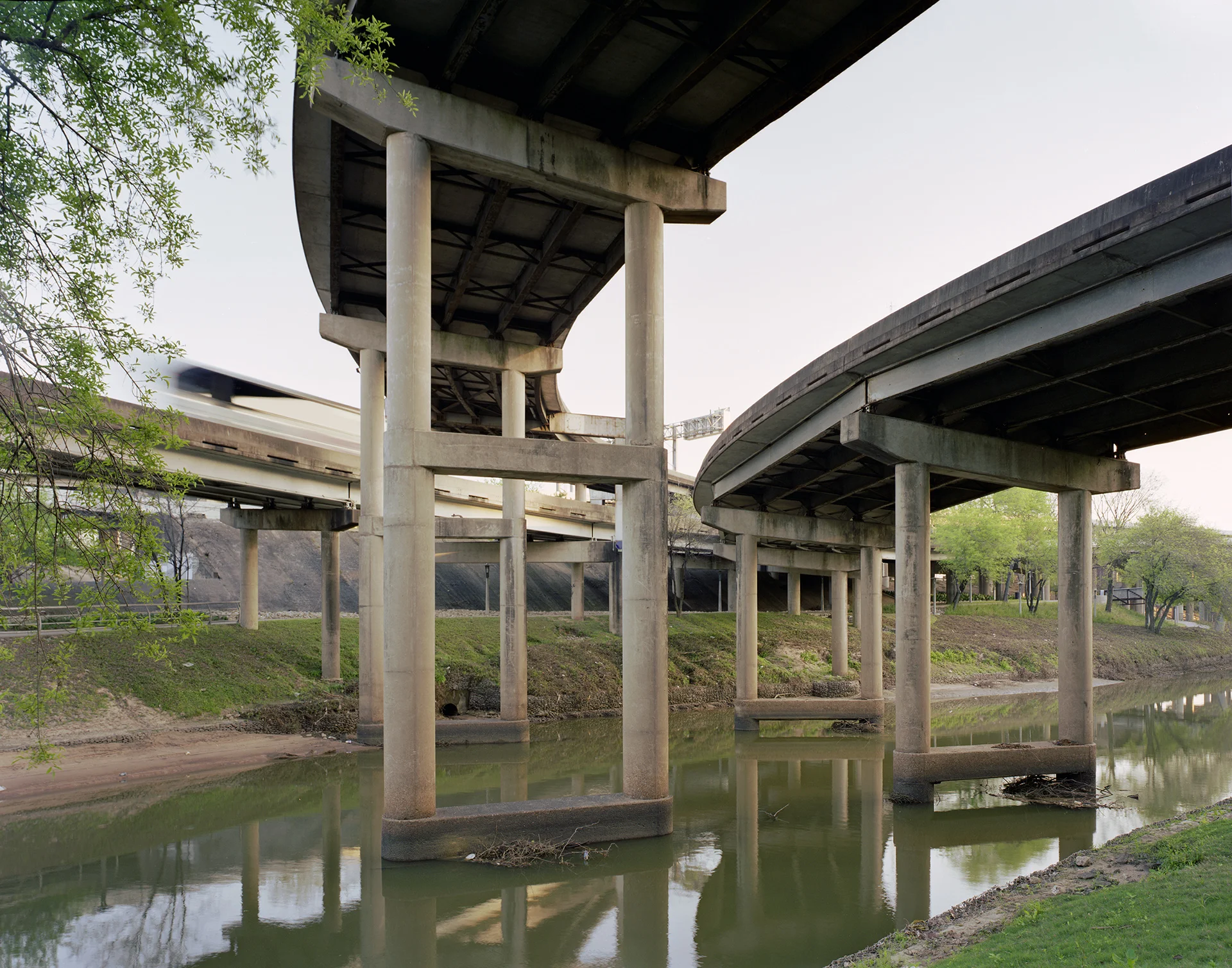
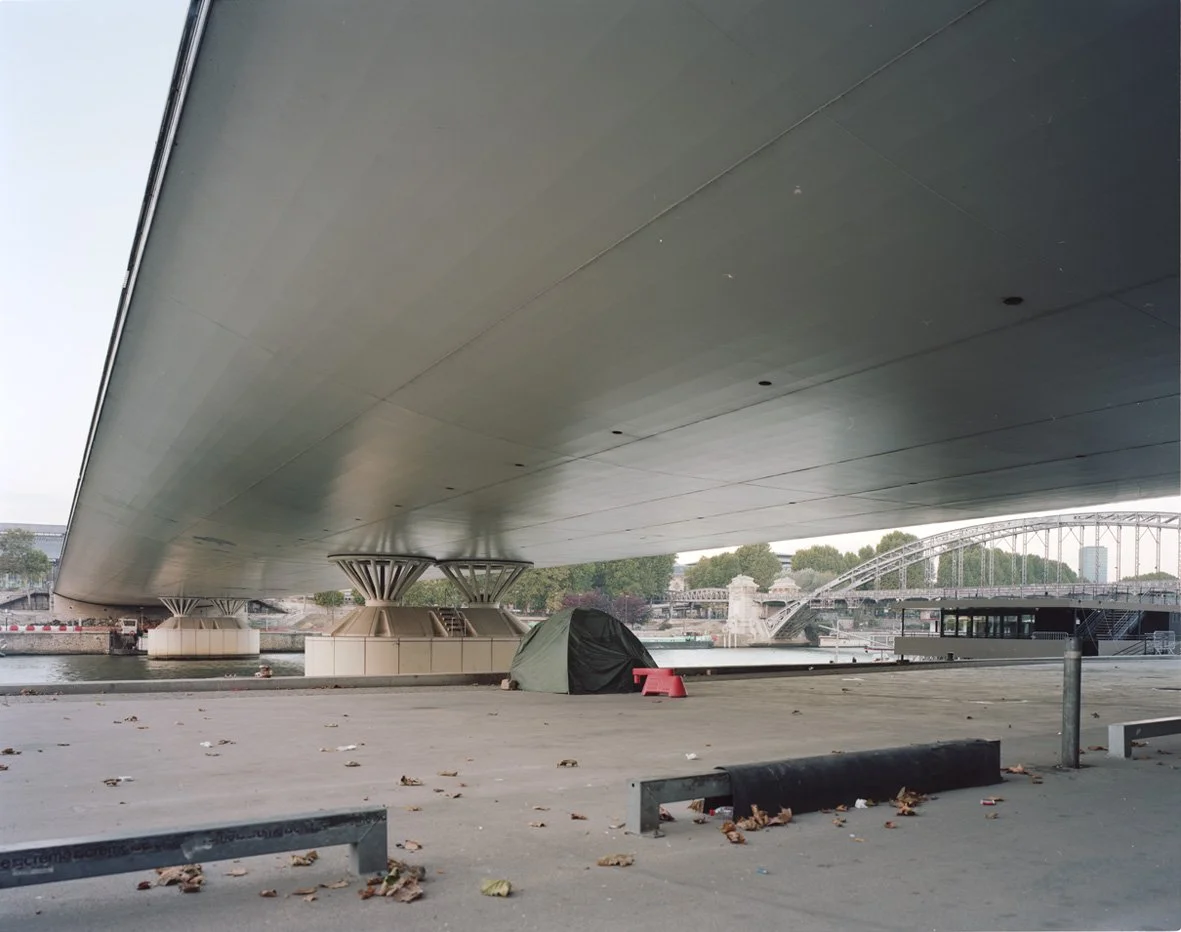
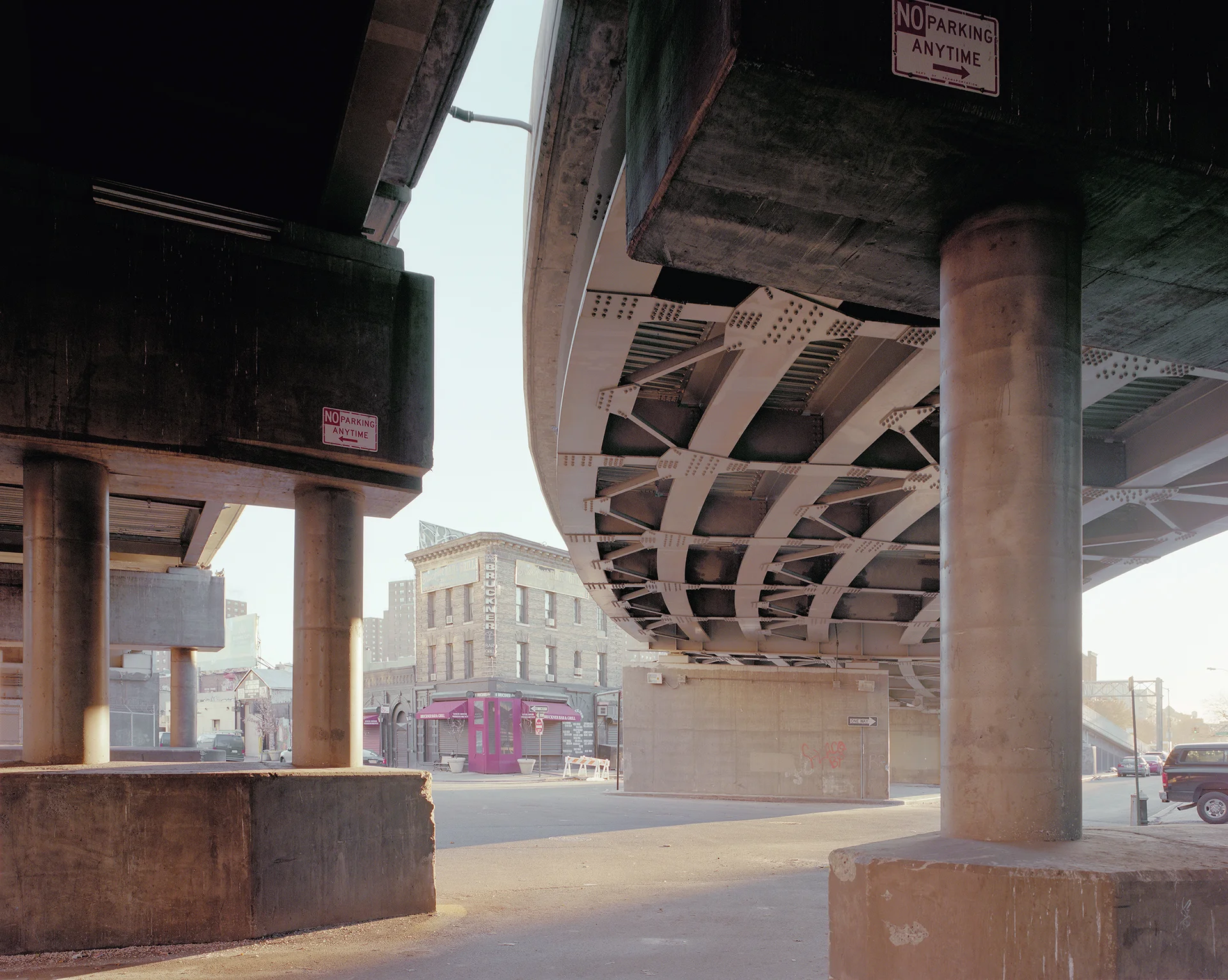
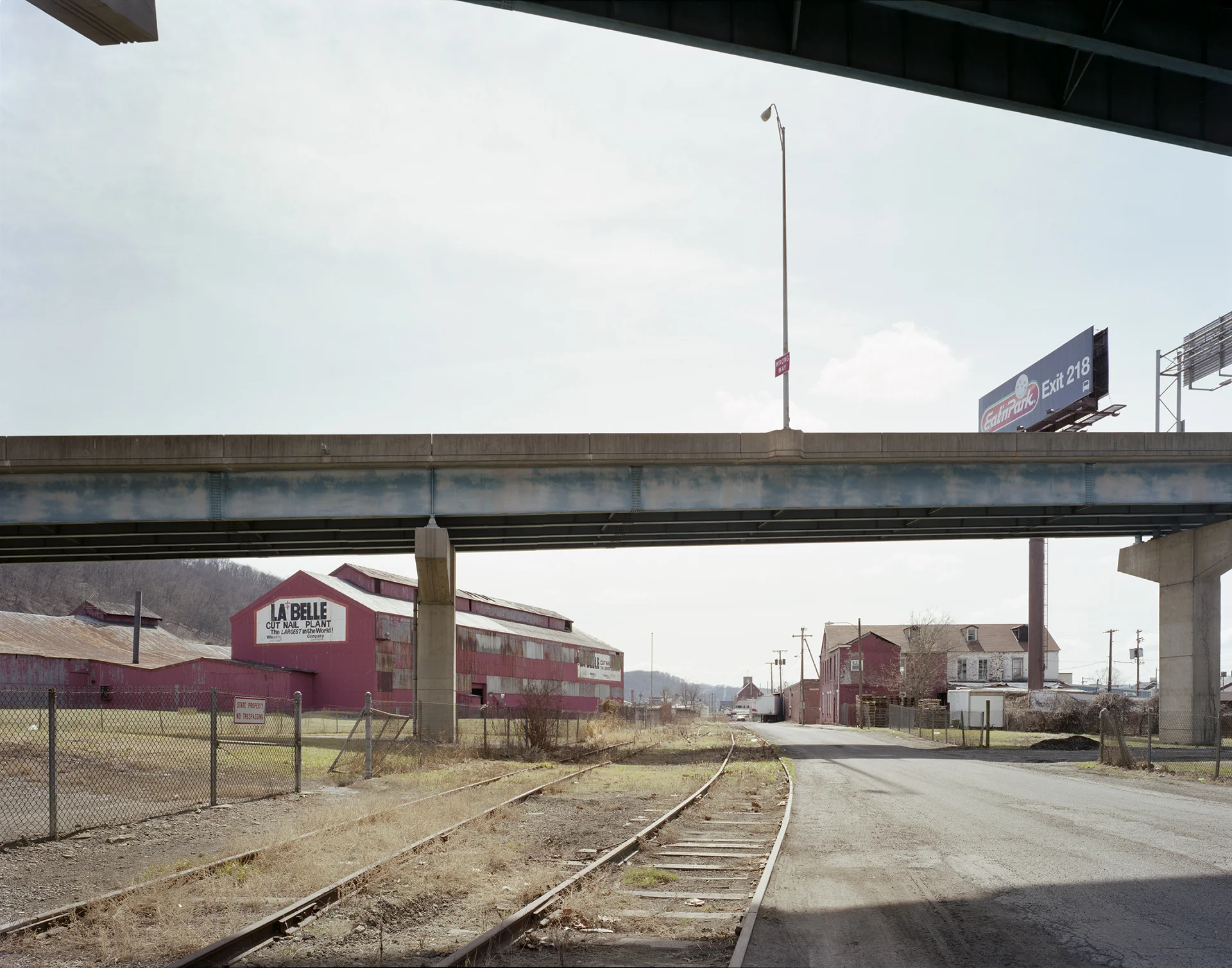
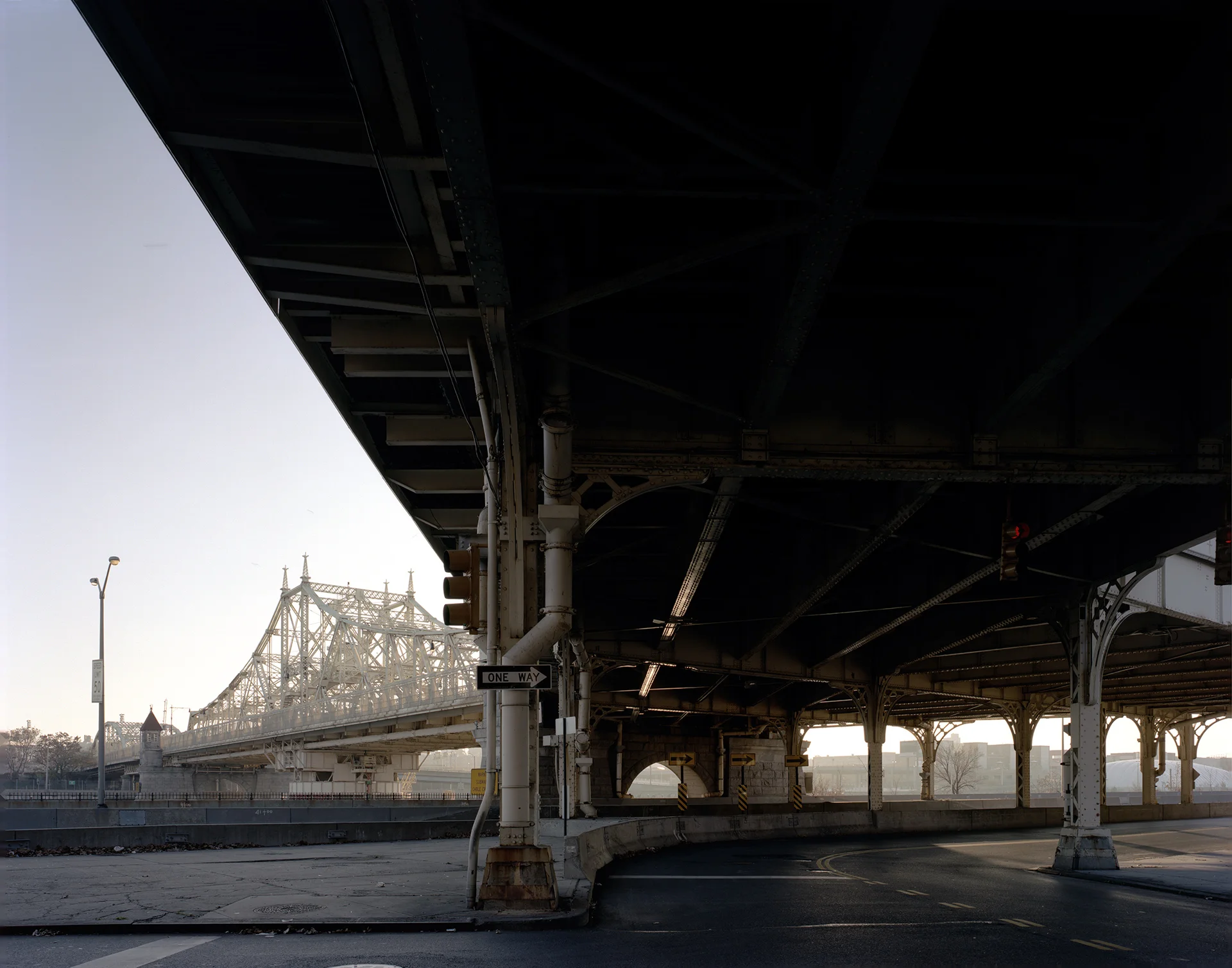
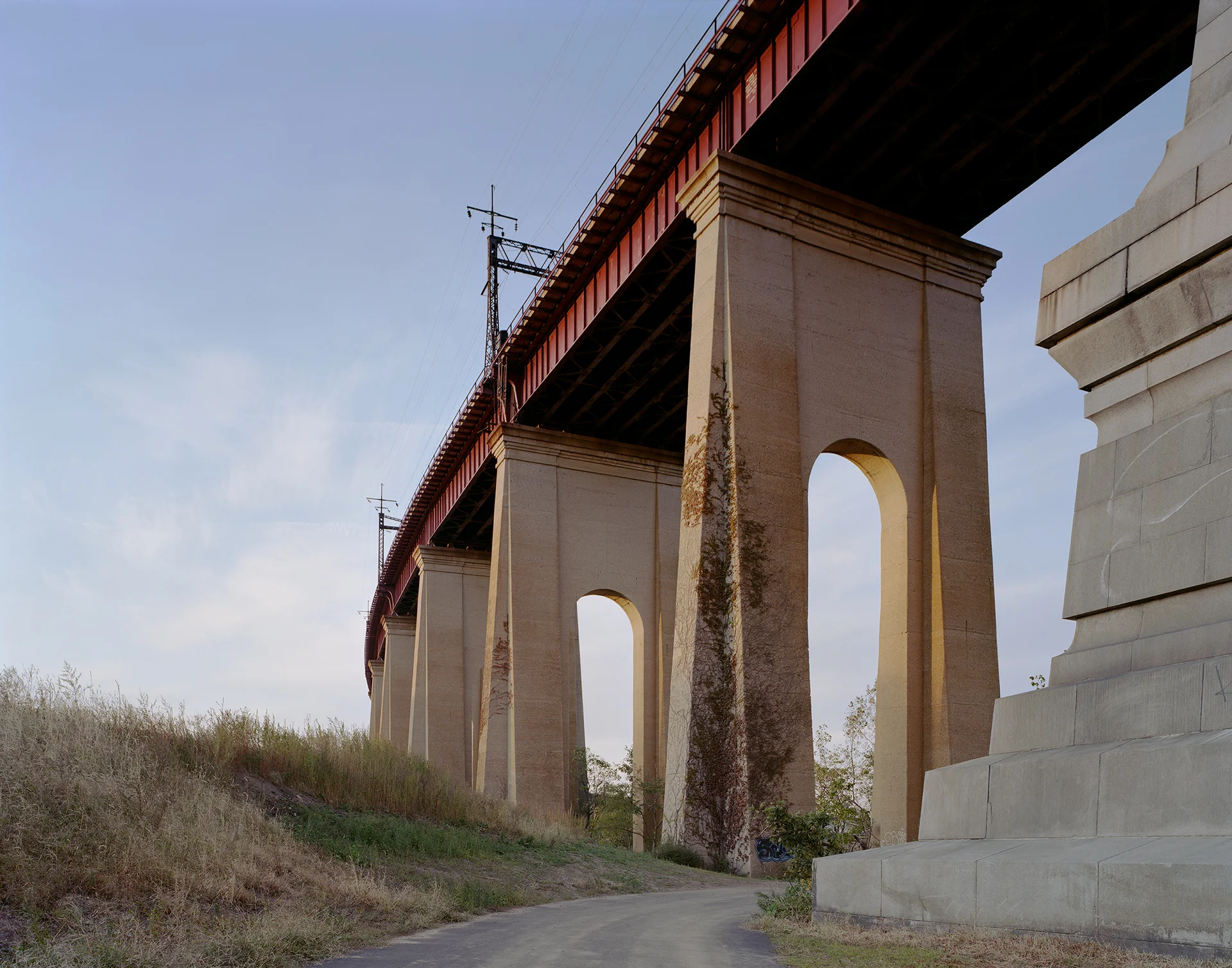
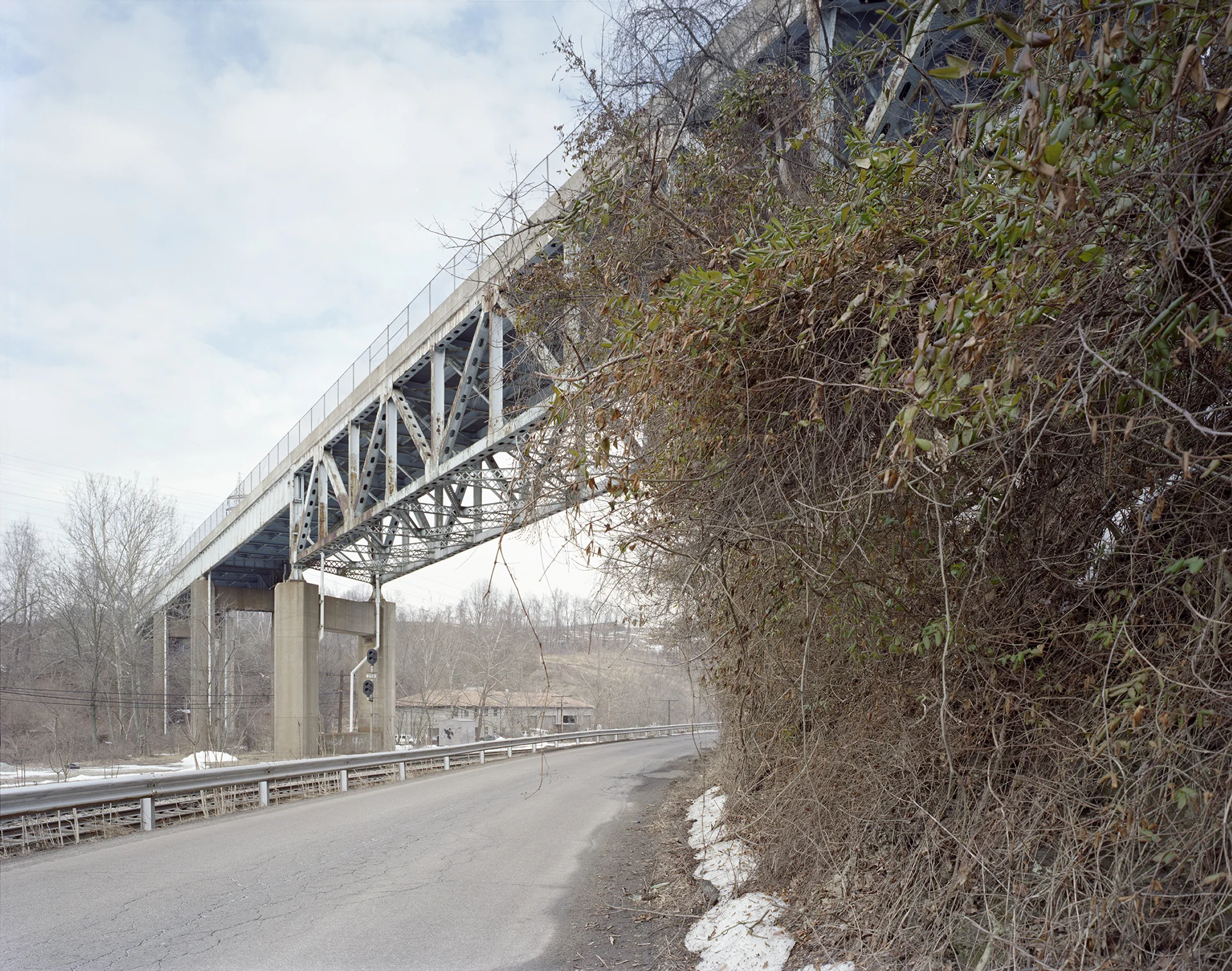
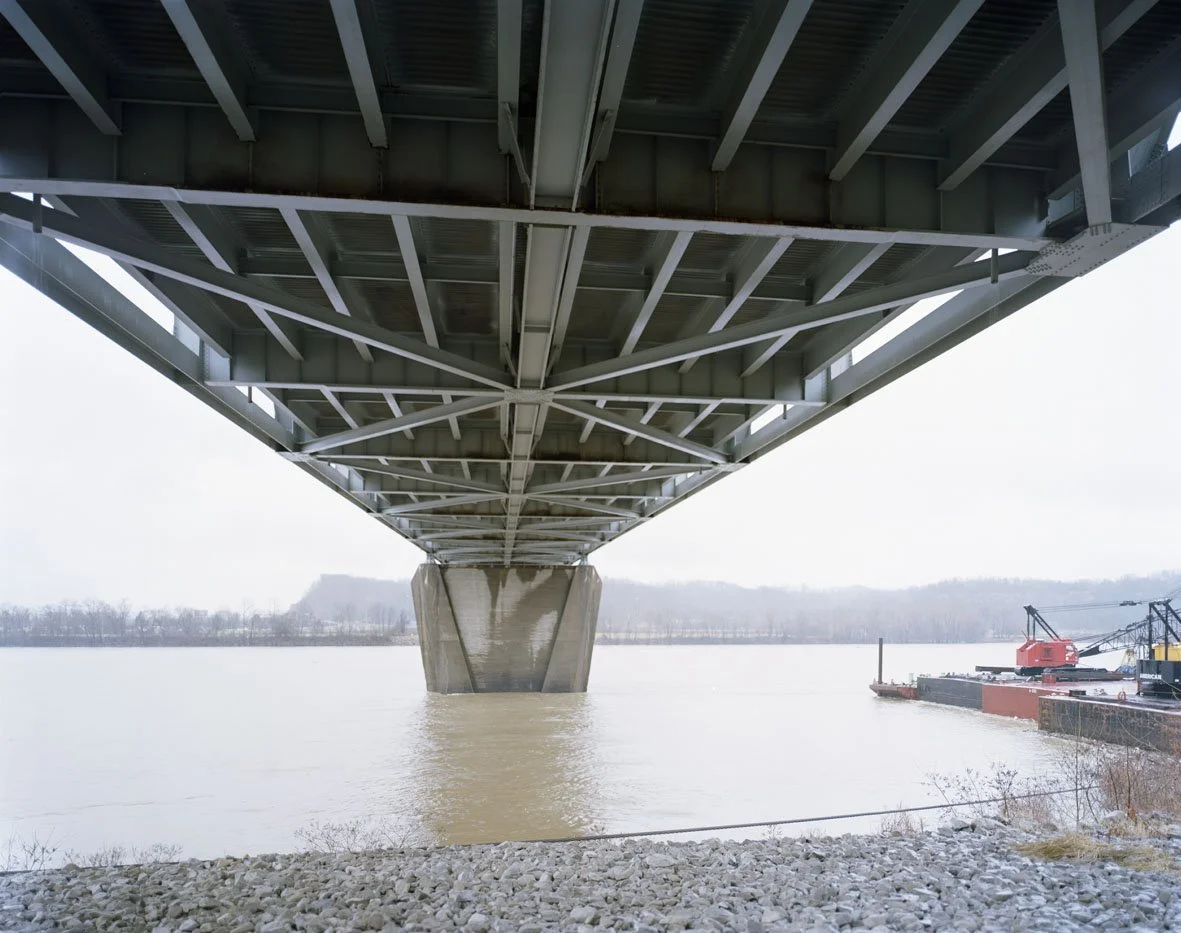
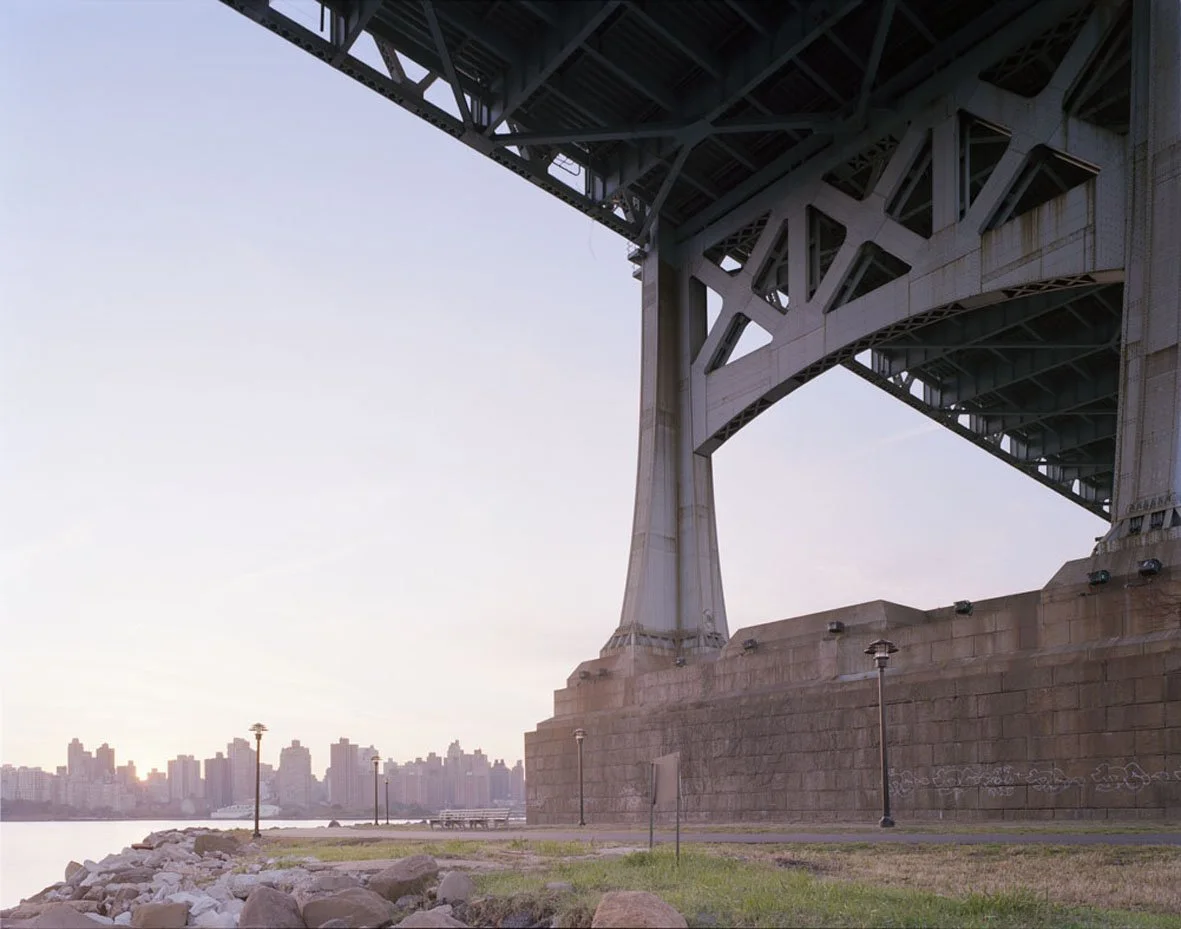
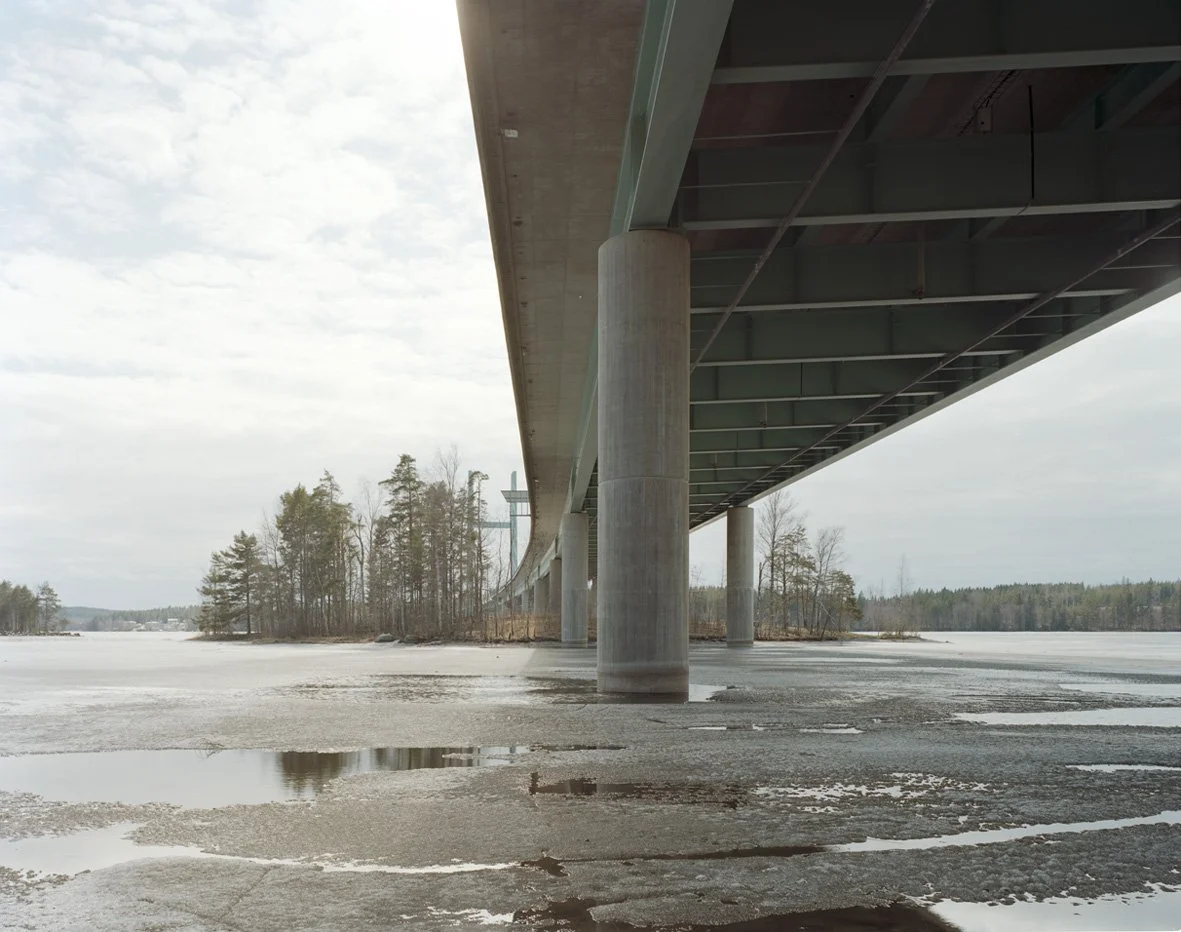
A bridge is a symbol and facilitator of travel and movement. It is arguably one of the greatest inventions of humanity.
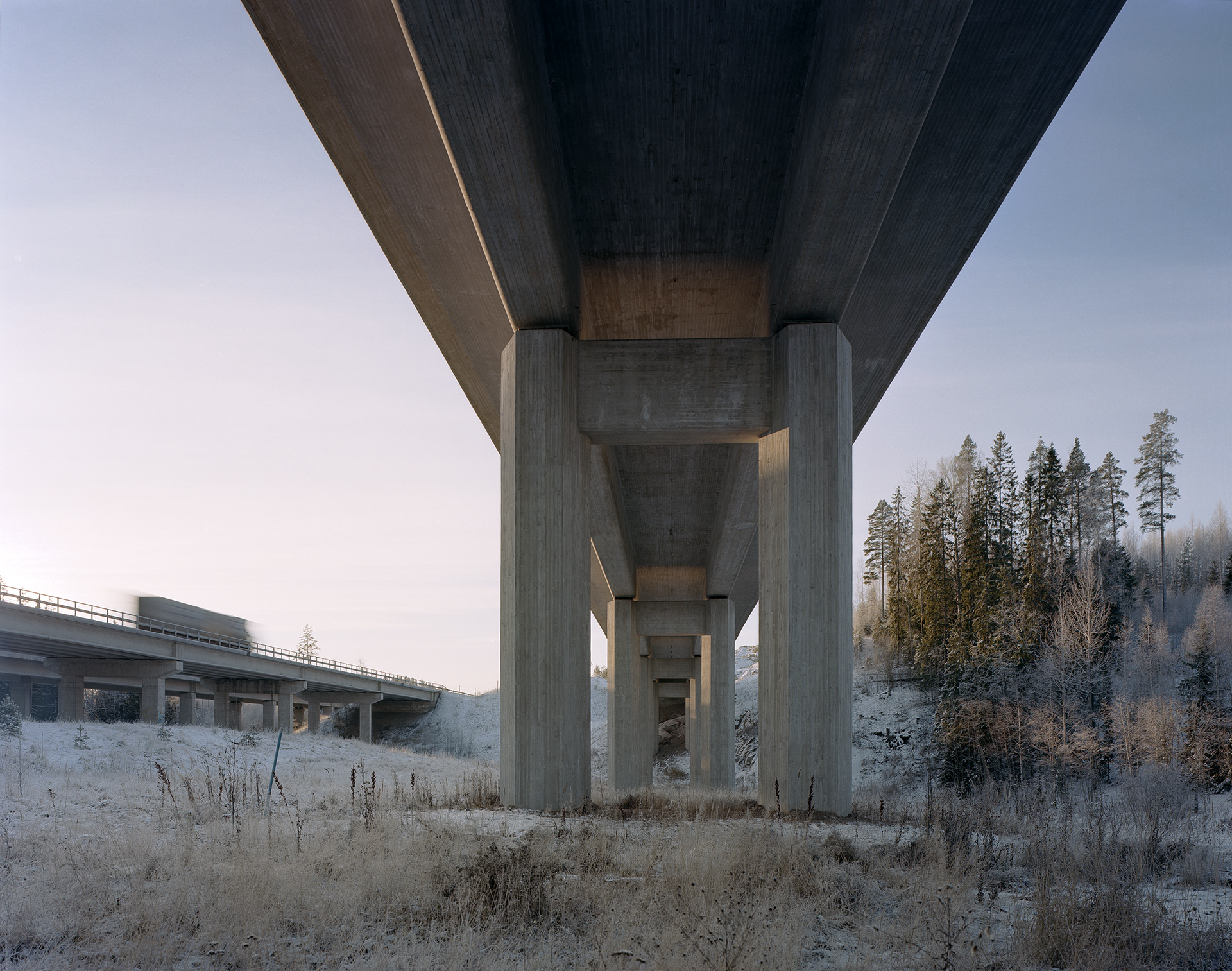
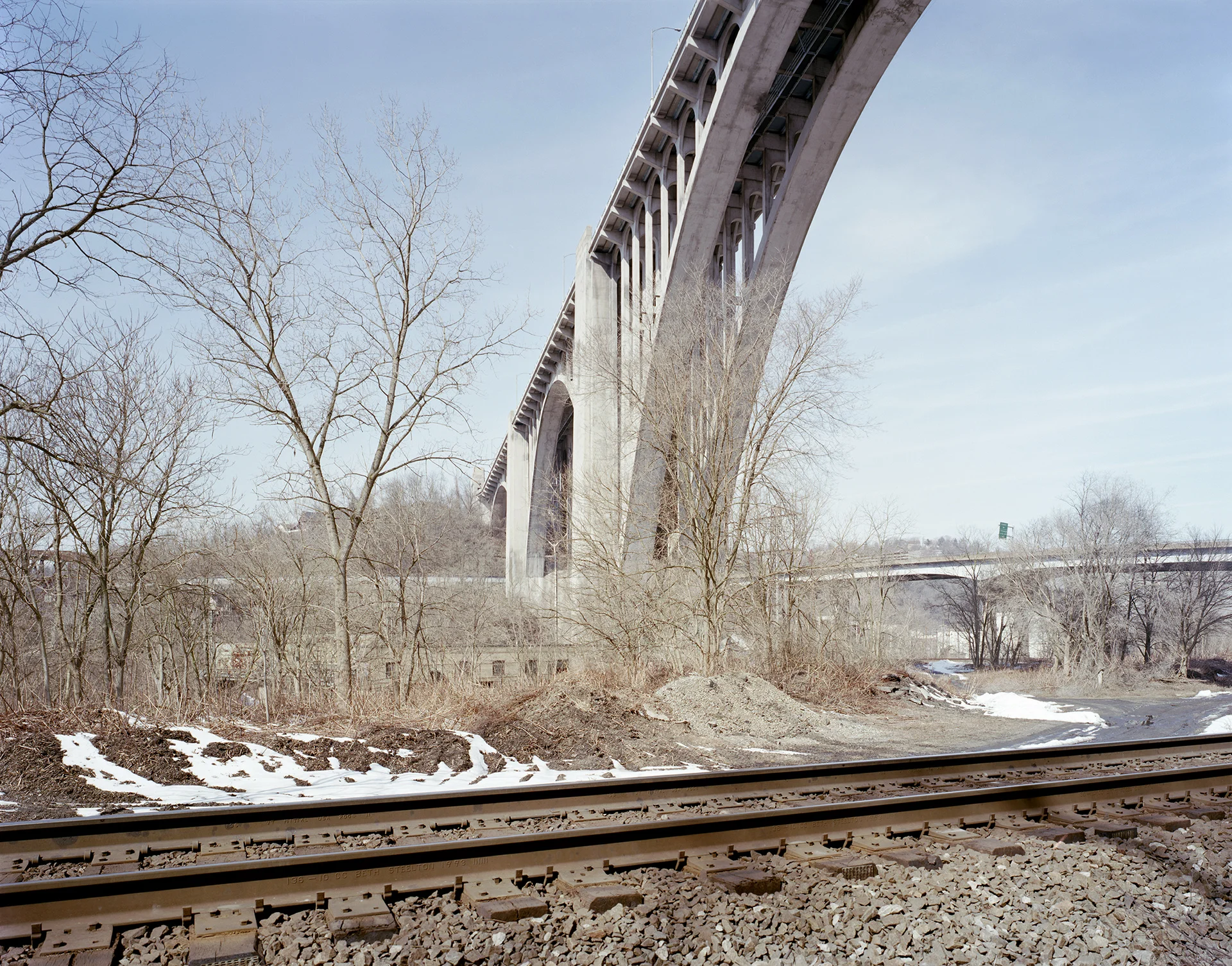
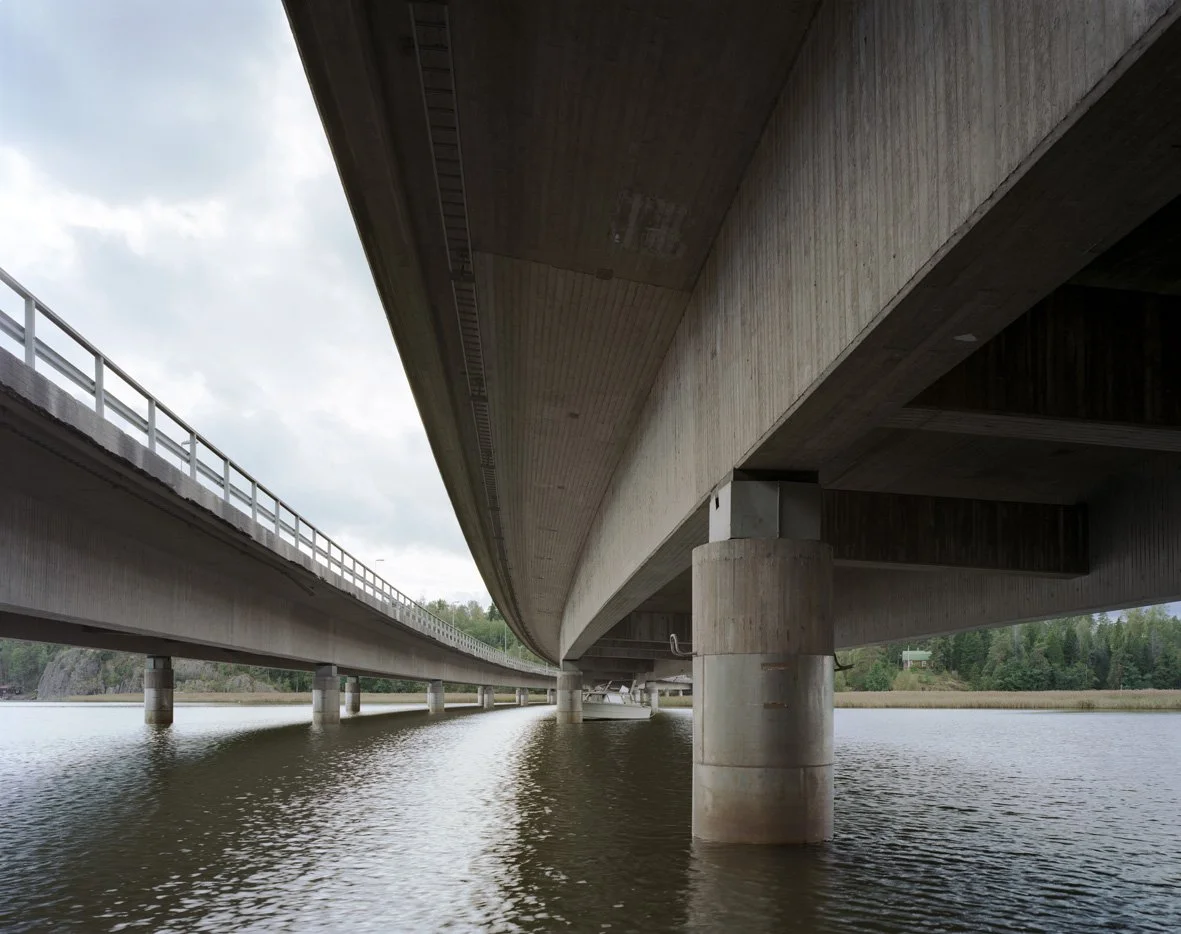
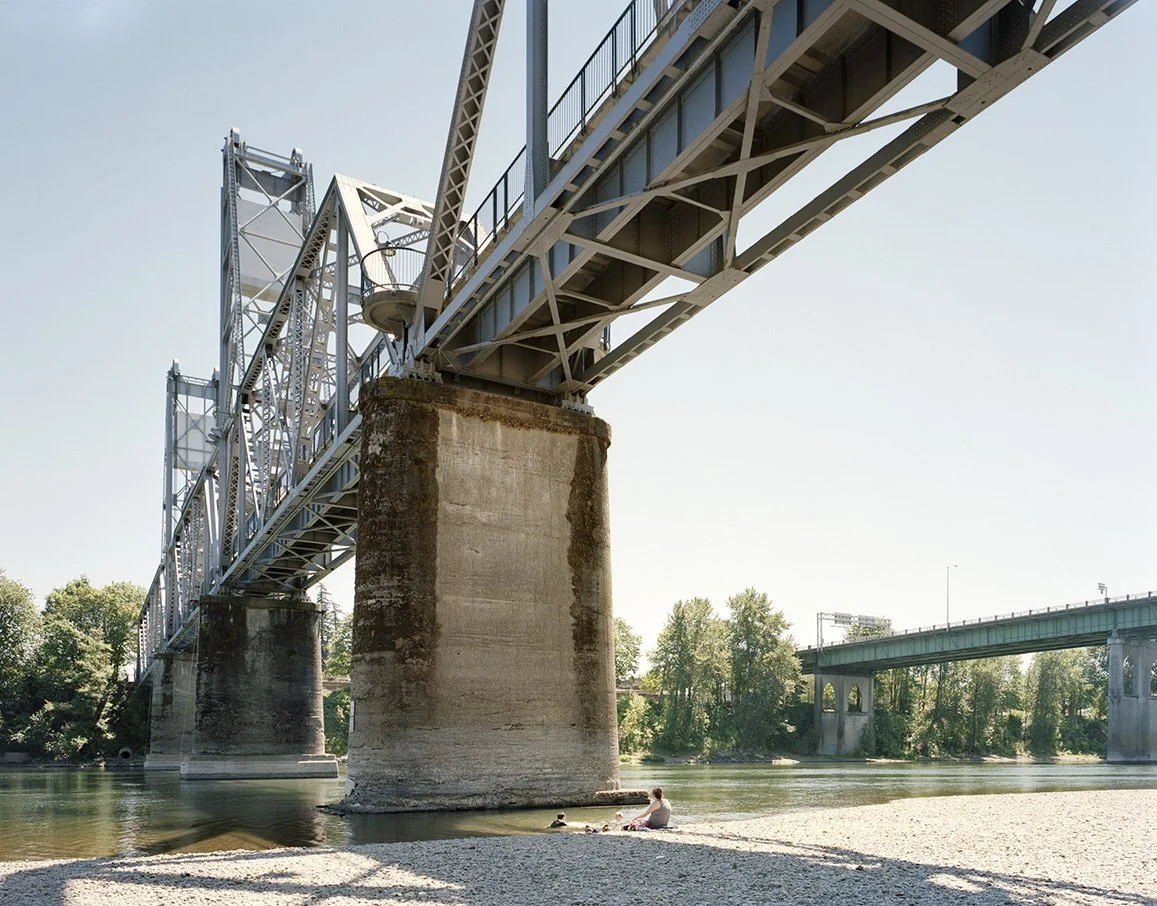
However, when we travel across a bridge we usually fail to notice the part of the world below. We see the landscape around us and the road in front of us but are indifferent to what is under our rolling wheels. The area beneath a bridge is often invisible and it follows different laws of landscape and place, it is unique in its views and its uses. That place down there is not on maps, nor does it show on aerial photographs. It is an area where even the sounds transform.
I am looking into some basic traditions of landscape art. What constitutes a landscape image? What are the most important aspects of landscape art? Three main issues interest me most. First, the fact that there is almost always an open sky in a landscape. The uninterrupted sky seems to be a requisite for a real landscape. Second, the pastoral tradition, a view of nature. And third, there is also a very strong sense of perspective which is often enhanced by an elevated point of view.
I want to see the views under and around the bridges as potential spaces for something rather than showing something actually happening there.